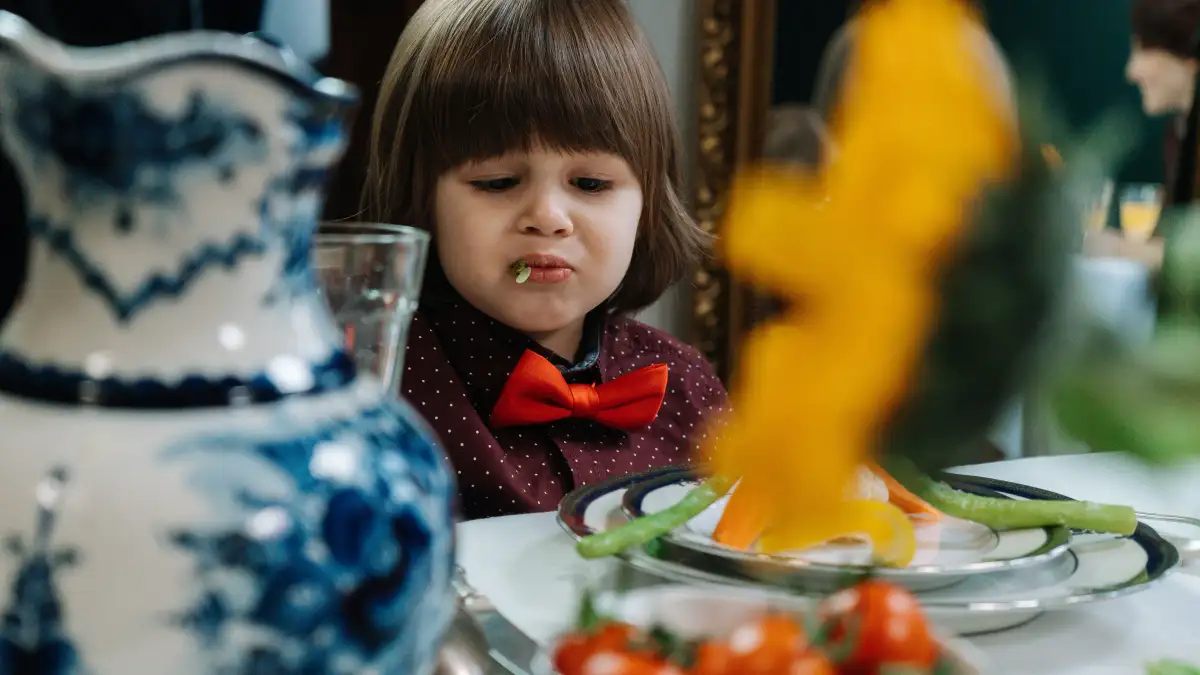
Picky kids can still eat well in Tokyo restaurants
How ticket machines, set meals, portion conventions, table versus register payment, and konbini or depachika backups let picky kids eat well in Tokyo.
How ticket machines, set meals, portion conventions, table versus register payment, and konbini or depachika backups let picky kids eat well in Tokyo.
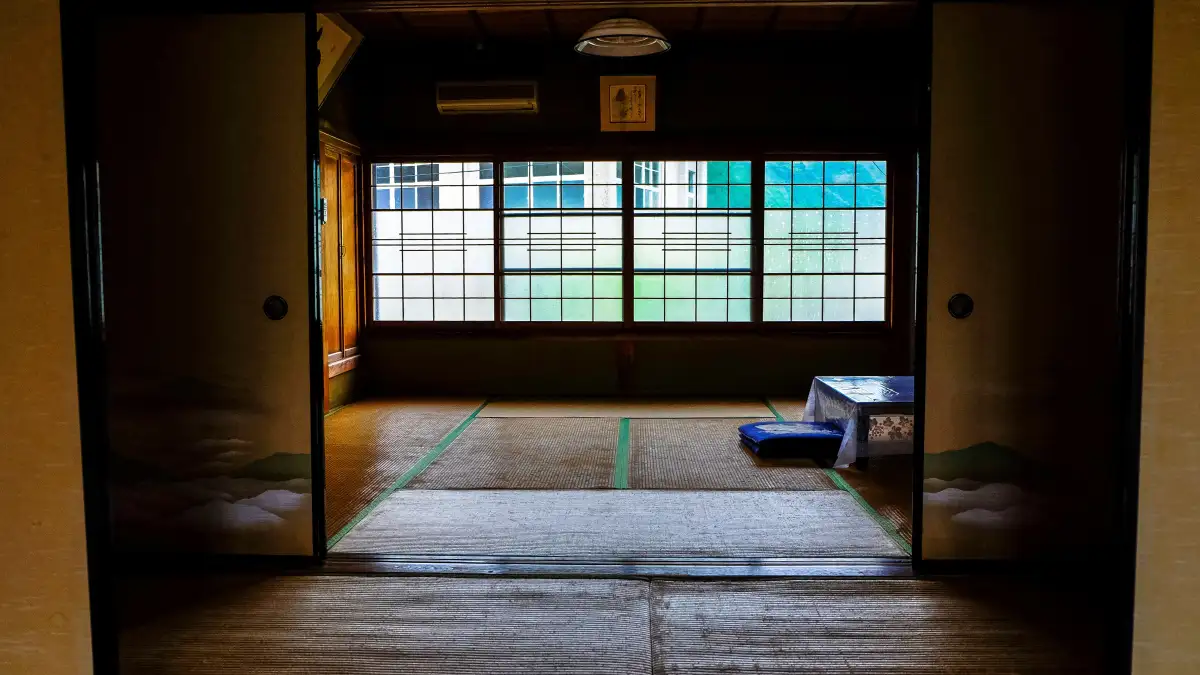
A decision framework for Japanese hotel meal plans: match room-only, breakfast, or half board to your arrival time, evenings, and where you plan to eat.
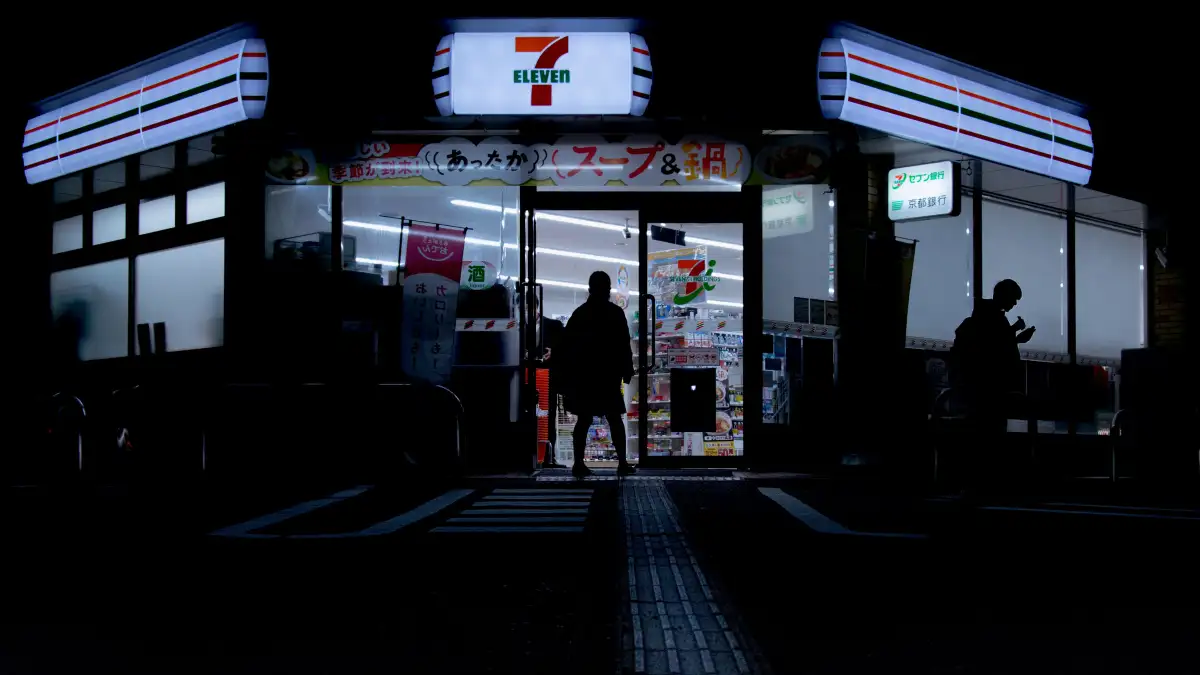
The 7-Eleven ATM in Japan was built for cards issued outside the country. Here's what each screen, PIN prompt, and card return is actually doing.
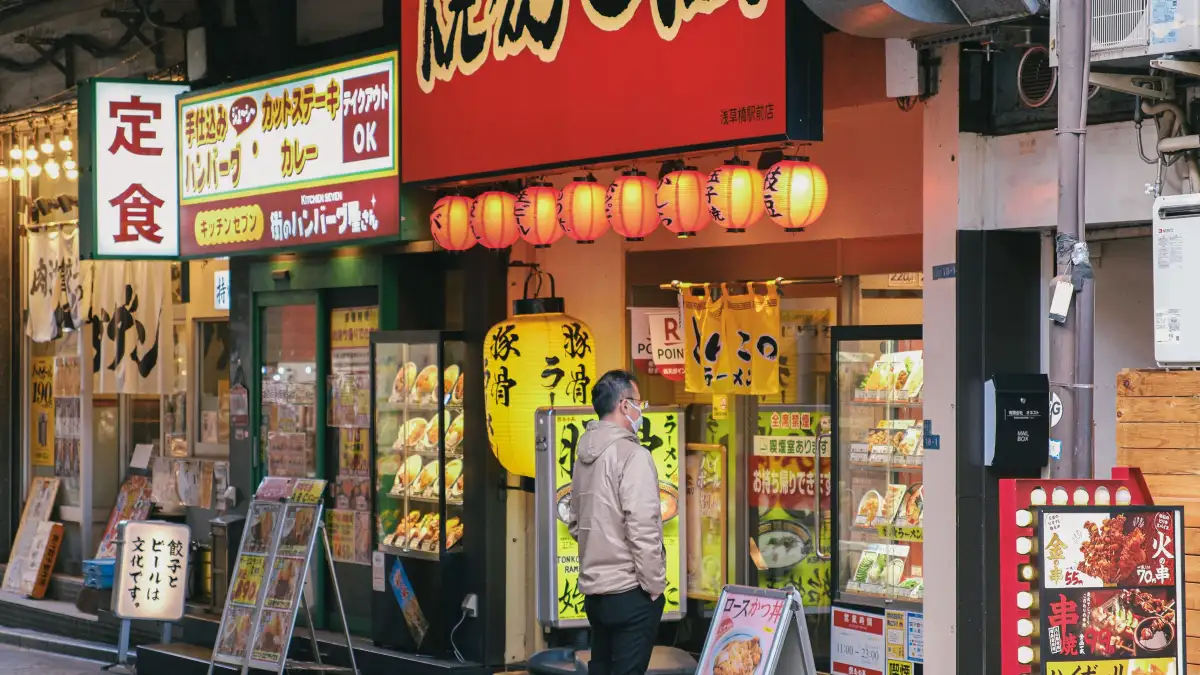
Gluten-free, gluten-friendly, and wheat-free get used three different ways on Tokyo menus. Here is how to vet a kitchen by its practice, not its label.
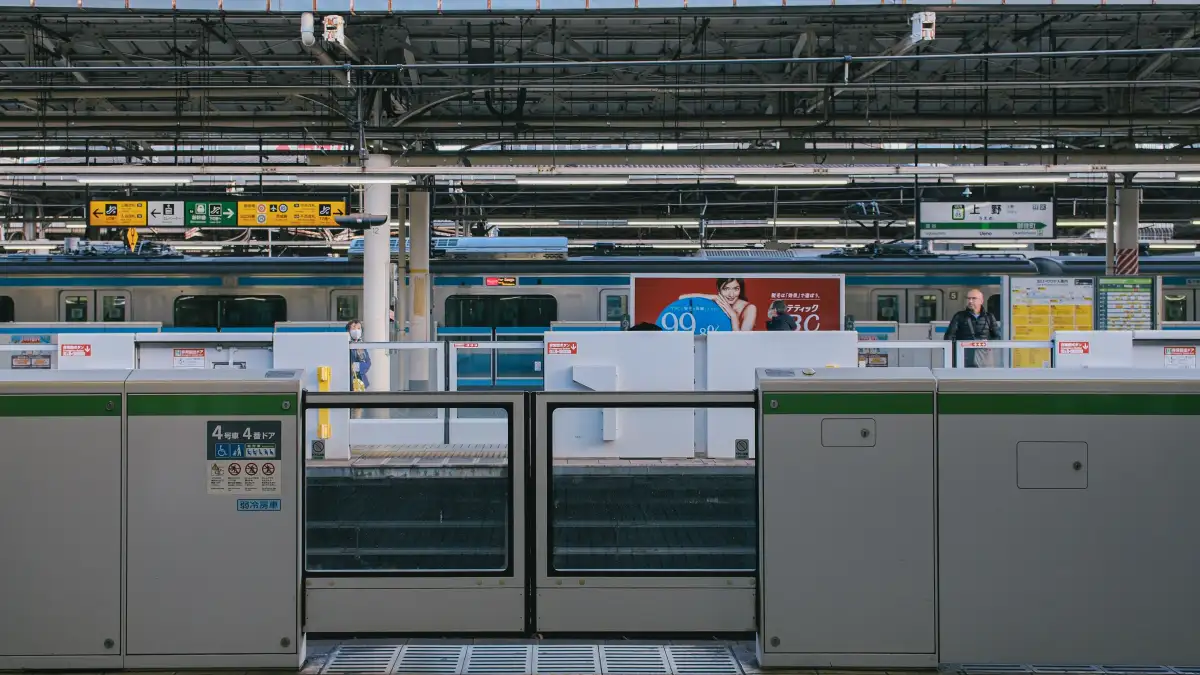
Follow one tap-in and tap-out to see how an IC gate calculates your Tokyo train fare, when crossing operators becomes two fares, and why a gate refuses to open.
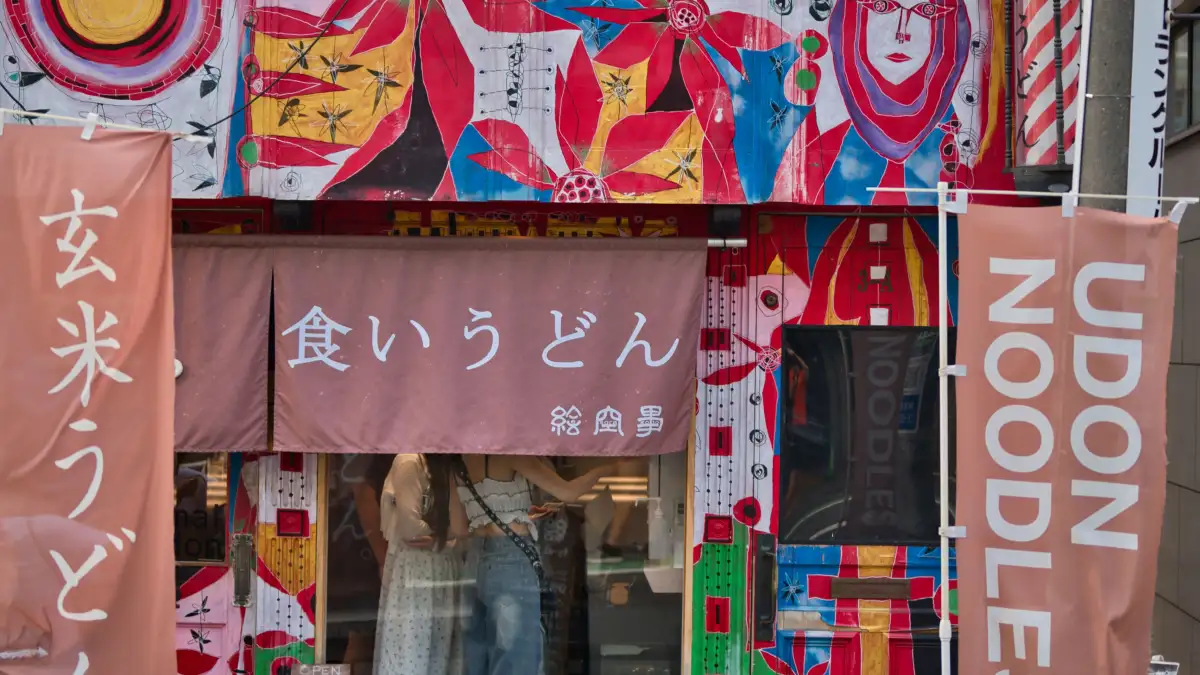
The card, the Japanese term, the walk back to the kitchen, and why counter seats change the odds: how a gluten-free request actually moves through a Tokyo restaurant.
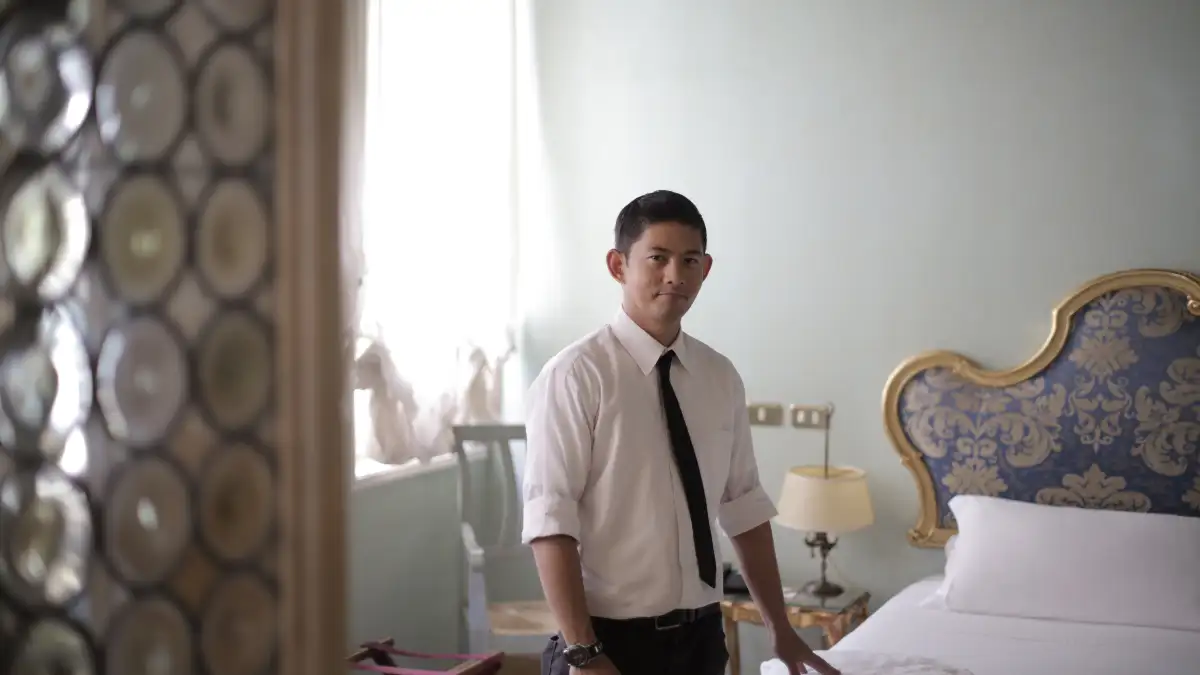
Japanese hotels build no tip into the price; ryokan fold room, meals, and service into one rate. Cash left in a room becomes lost property, not a tip.
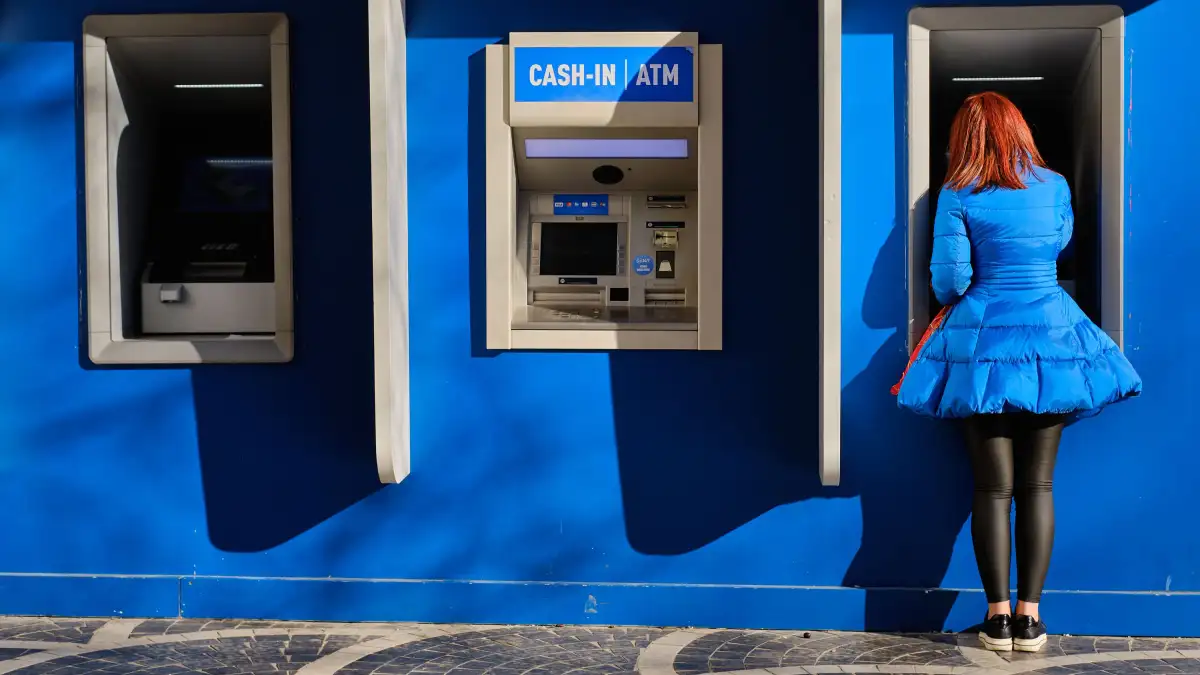
At a Japanese ATM, the card stays in and comes back before the cash. These are the American reflexes that cancel withdrawals and leave cards behind.
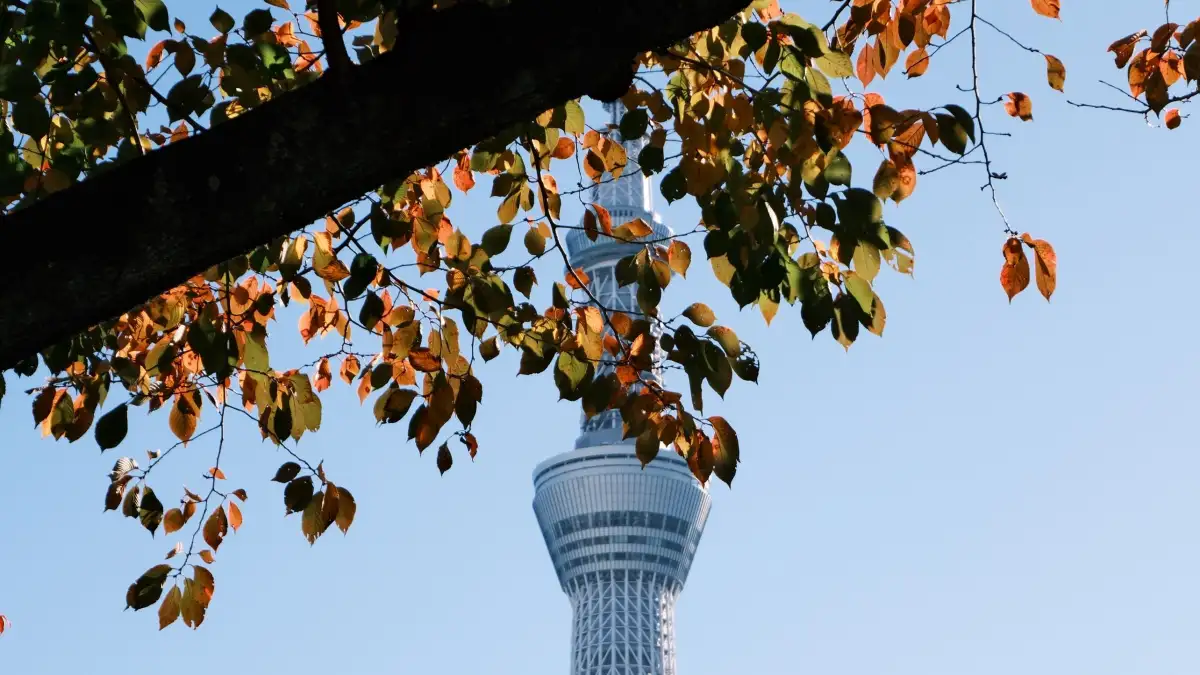
A practical Tokyo autumn day bag list: removable layers, rain gear, a charger that keeps your transit card alive, and the small items most guides skip.
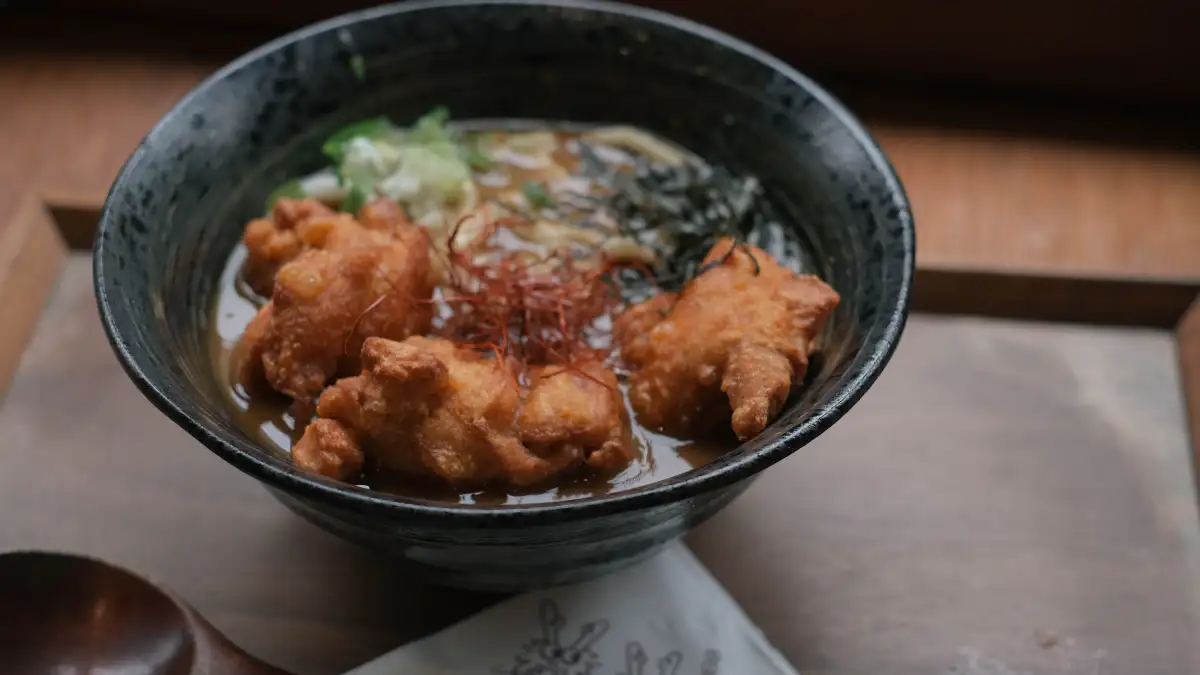
Wheat enters Japanese food through soy sauce, miso grains, instant dashi, curry roux, and malt. Learn to read a dish, not a label, before you order.