Tokyo's Temple Vegetarian Meal Is More Than Just Food
Shojin ryori is Tokyo's Buddhist temple vegetarian meal: a set sequence of seasonal vegetable, tofu, and seaweed dishes, plus the etiquette and booking reality.
Vegetarian, vegan, halal, and gluten-free food search and menu navigation in Tokyo.
Shojin ryori is Tokyo's Buddhist temple vegetarian meal: a set sequence of seasonal vegetable, tofu, and seaweed dishes, plus the etiquette and booking reality.
A ryokan's included dinner is a fixed set, not a menu. What to ask at booking, which swaps a kitchen can make, and when room-only is the honest answer.
How to read Japanese konbini breakfast labels for allergens, why the soy line can be missing, and where the store's labeling system quietly stops.
A realistic method for eating vegetarian at an izakaya: how to ask about dashi and soy sauce, what usually survives the kitchen, and what nobody can promise.
The belt is a fixed menu, not a filterable one. How to read the seat panel, spot hidden dashi, surimi and wheat-brewed soy sauce, then ask staff plainly.
How dashi, wheat-brewed soy sauce, and shared fryers shape an izakaya meal, plus ordering tactics for vegetarian, halal, and gluten-free diners.
How to explain halal needs in Japanese without fluency: the key phrases for pork and alcohol, what to put on a written card, and how to read the answer.
Japan has no single halal standard. Learn how to read the certification logo, find the issuing body, and verify the claim before you buy or order.
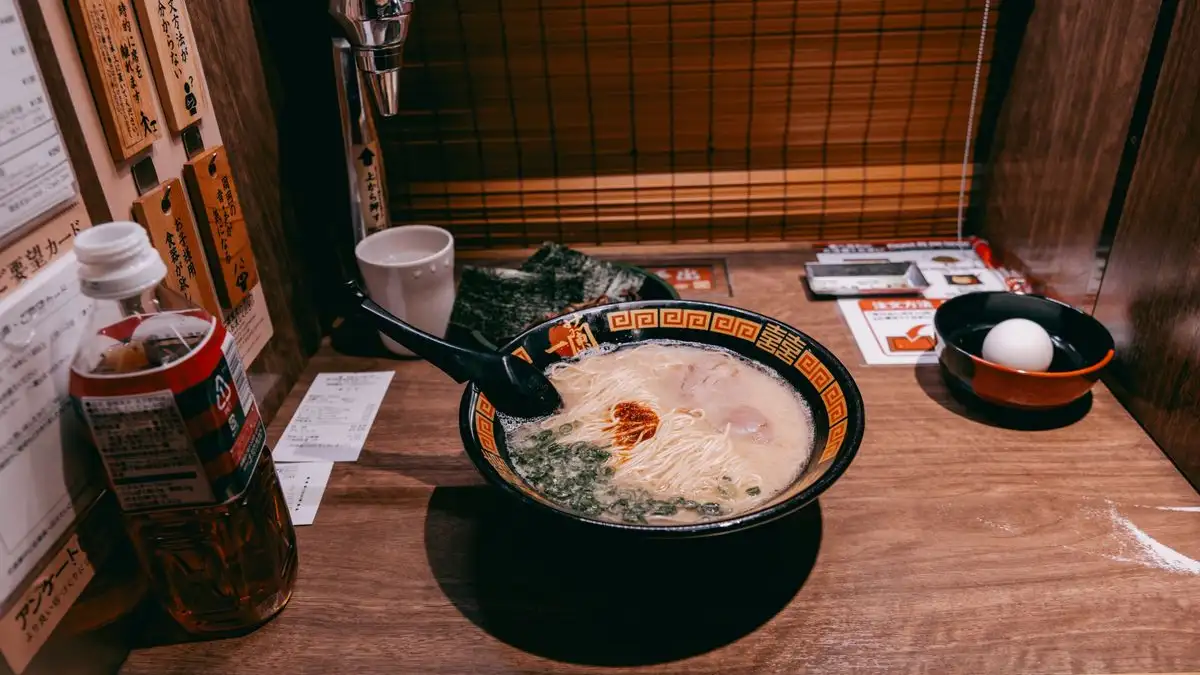
How Tokyo ramen handles pork broths, wheat noodles, and fish-based dashi, plus the exact questions to ask at the counter before you buy a ticket.
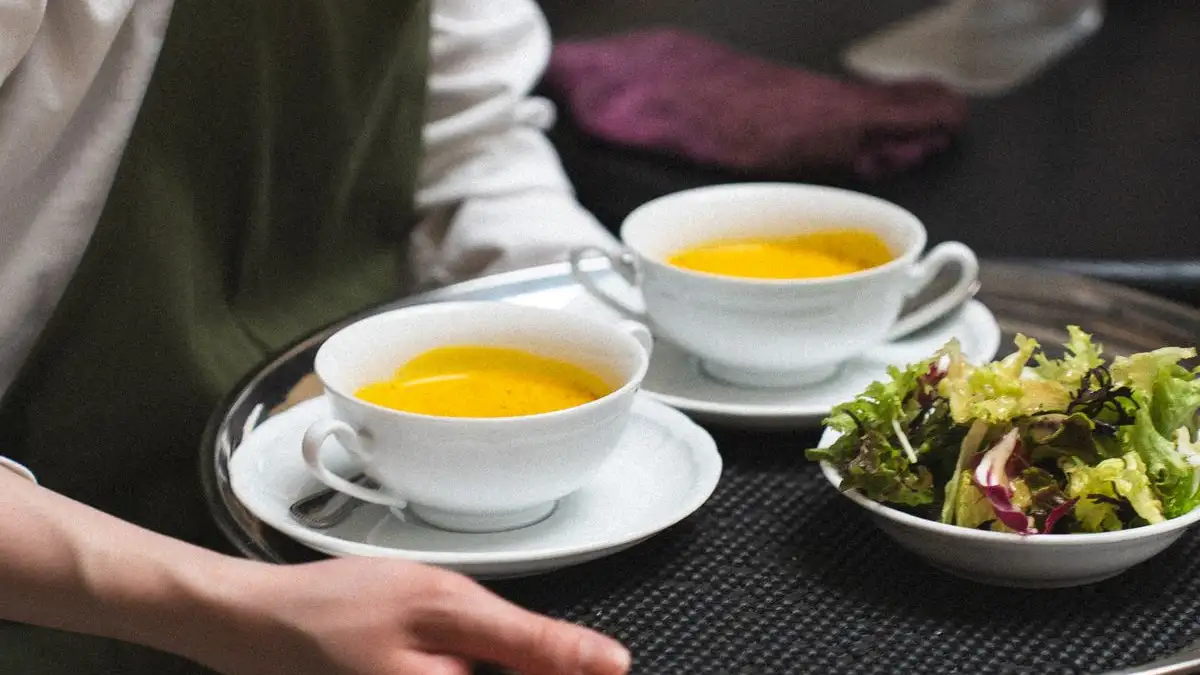
Japanese hotel meal plans are fixed, and booking notes rarely reach the kitchen. Direct email and phone contact is what changes what arrives on the tray.