Why Tokyo Makes You Tap Out and Back In at Some Stations
Tokyo's rail map is several companies sharing stations, not one network. Here's why the gates, transfers, and numbered exits work the way they do.
How Tokyo's rail, subway, and private train networks fit together for U.S. visitors.
Tokyo's rail map is several companies sharing stations, not one network. Here's why the gates, transfers, and numbered exits work the way they do.
Tokyo's subway is two companies, Tokyo Metro and Toei. Why some transfers stay inside one gate and others make you tap out and back in at a second gate.
Shinjuku Station isn't one station — it's several sharing a name. A filtering method: pick your operator, find the gate, read the exit letter, ignore the rest.
JR and subway signs at Tokyo interchanges use different prefixes, exits, and gates. Here is the reading order that keeps you in the right network.
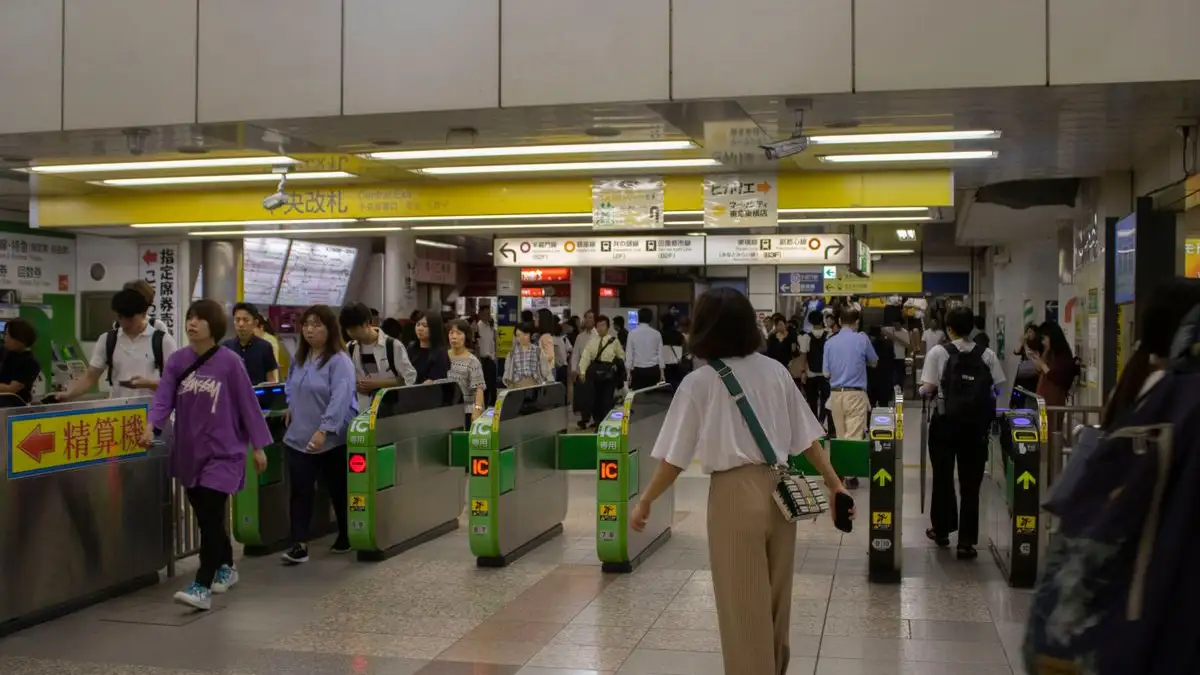
A closed flap and a buzzer usually mean a short balance, not a dead card. Read the gate panel, use the fare machine, and exit without the panic.
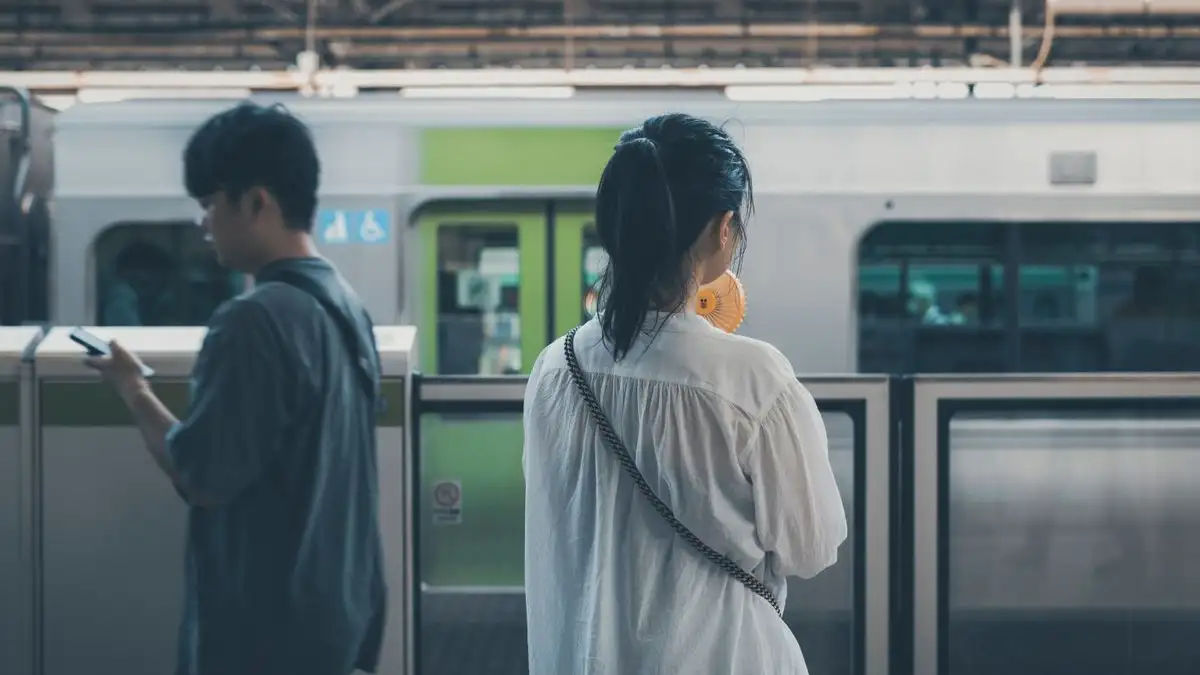
Set up Mobile Suica at home, not at the gate. What decides if your phone can issue the card, how Express Mode works, and where funding usually fails.
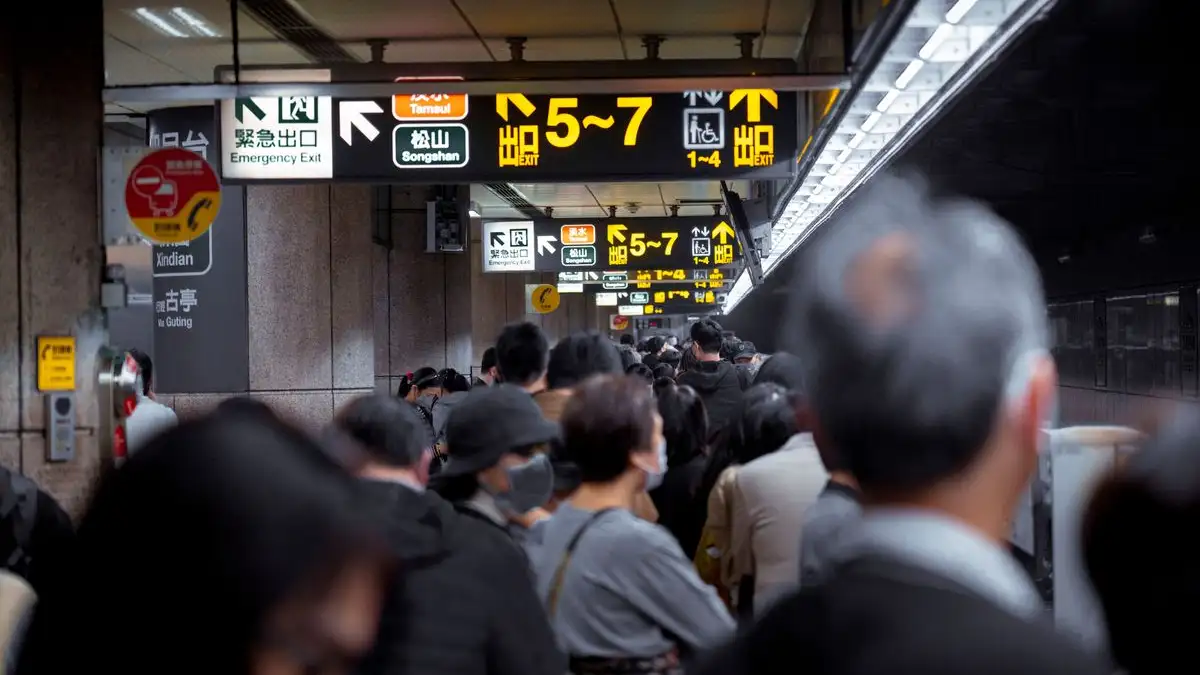
Tokyo stations have multiple exits and separate gates for JR, Metro, and Toei. Order each day by rail corridor and exit, not map distance.
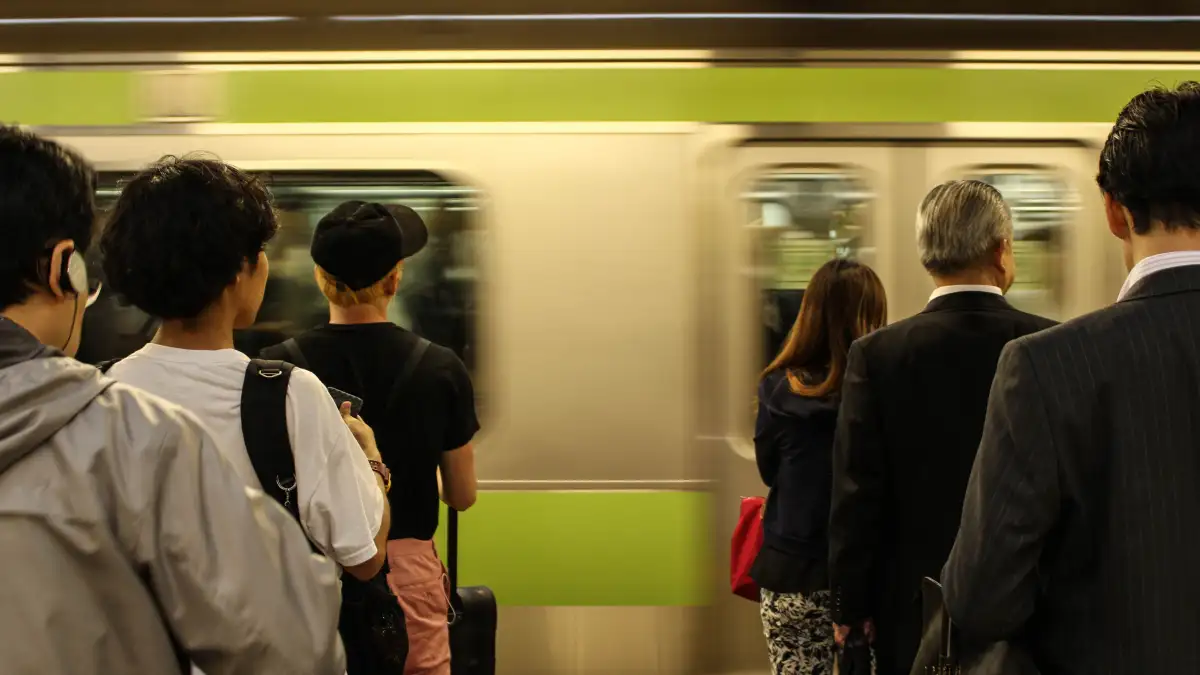
Suica and Pasmo tap the same gates and charge the same fare. The real difference is where each card is issued and refunded, and where you are on your last morning.
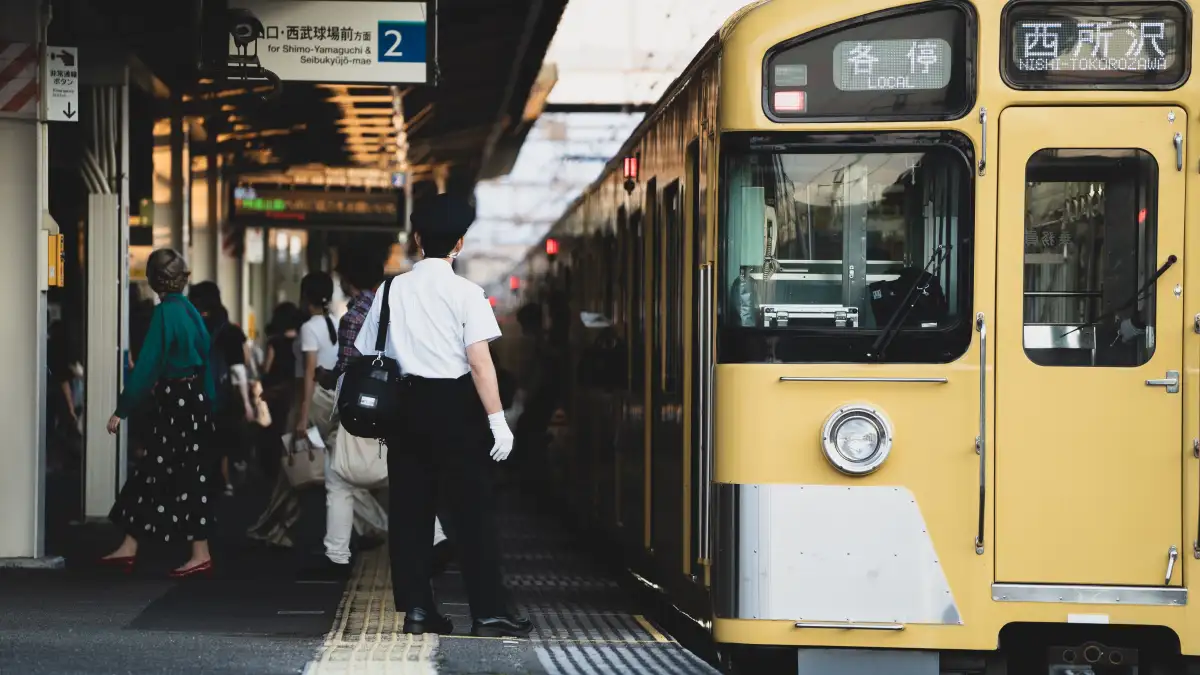
How to pick numbered exits, find elevators, set up child IC cards, and time rush hour so your family moves through Tokyo stations without meltdowns.
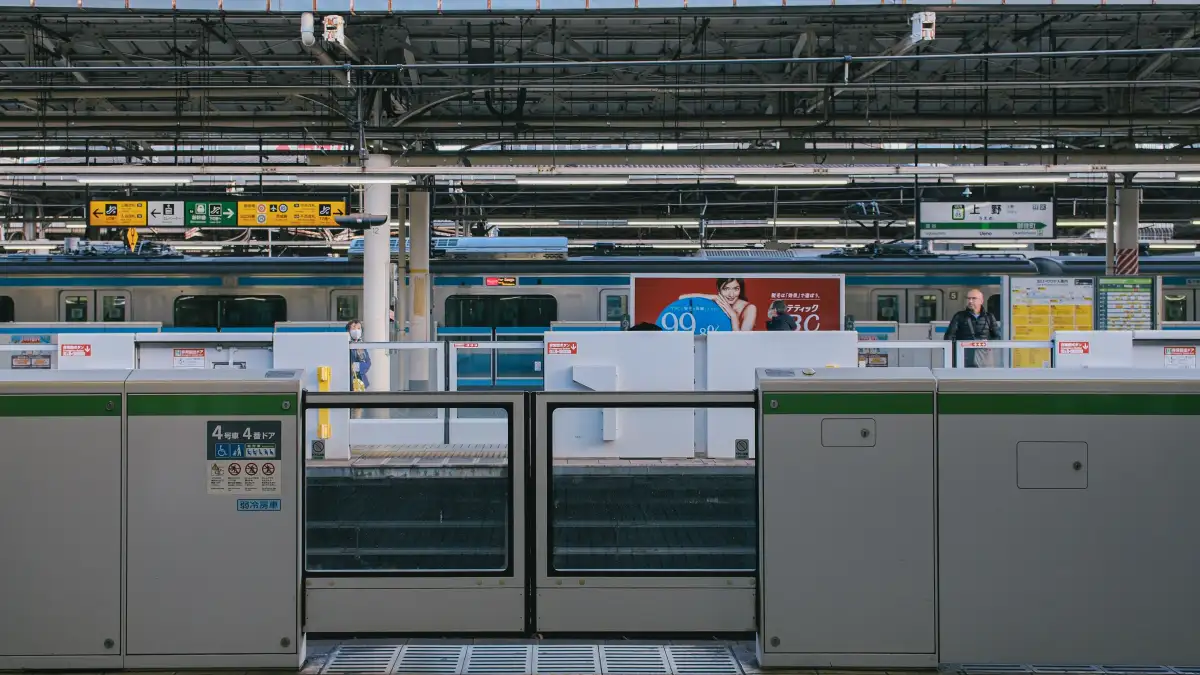
Follow one tap-in and tap-out to see how an IC gate calculates your Tokyo train fare, when crossing operators becomes two fares, and why a gate refuses to open.