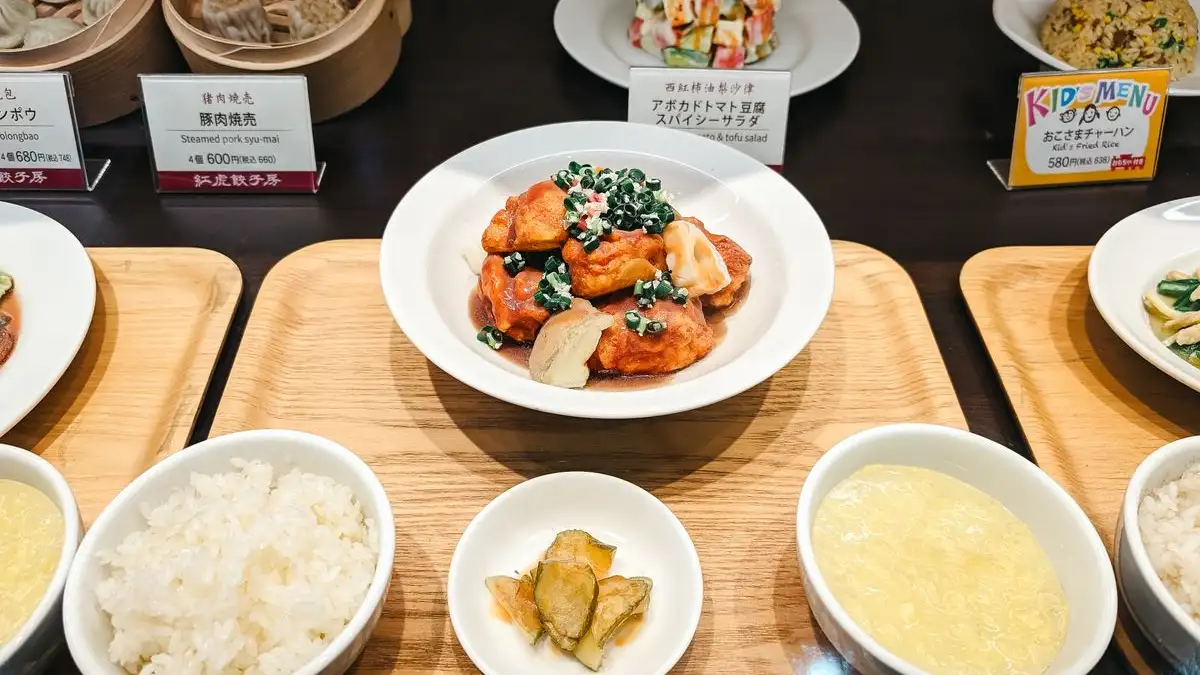
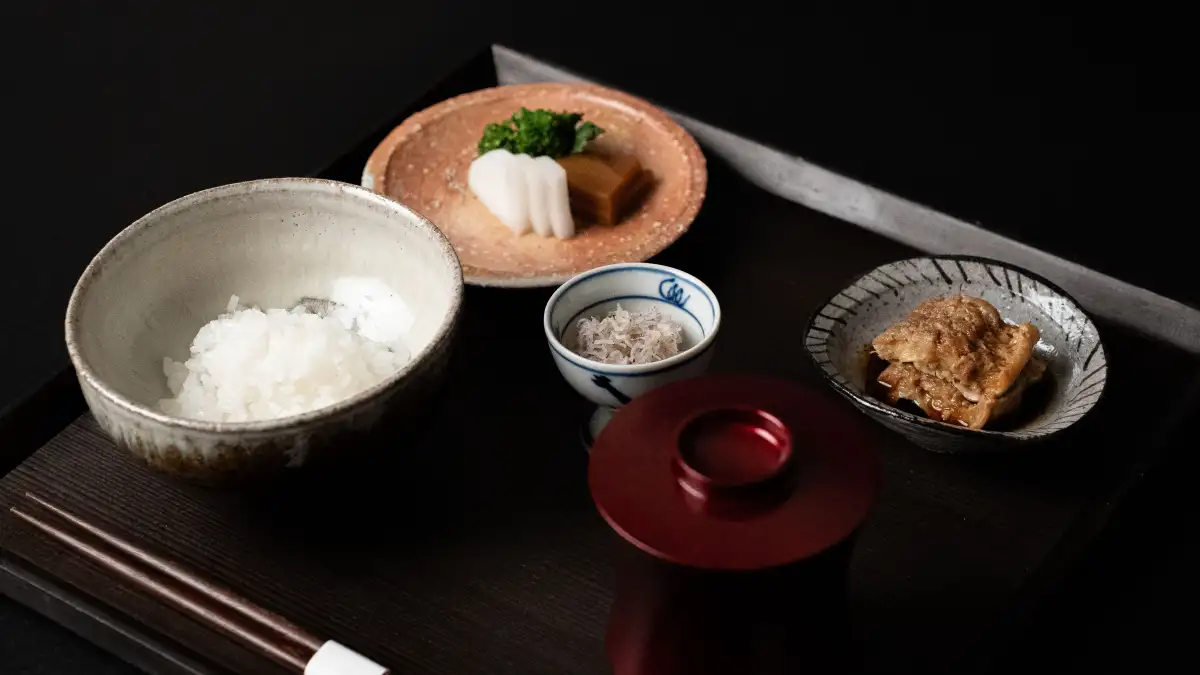
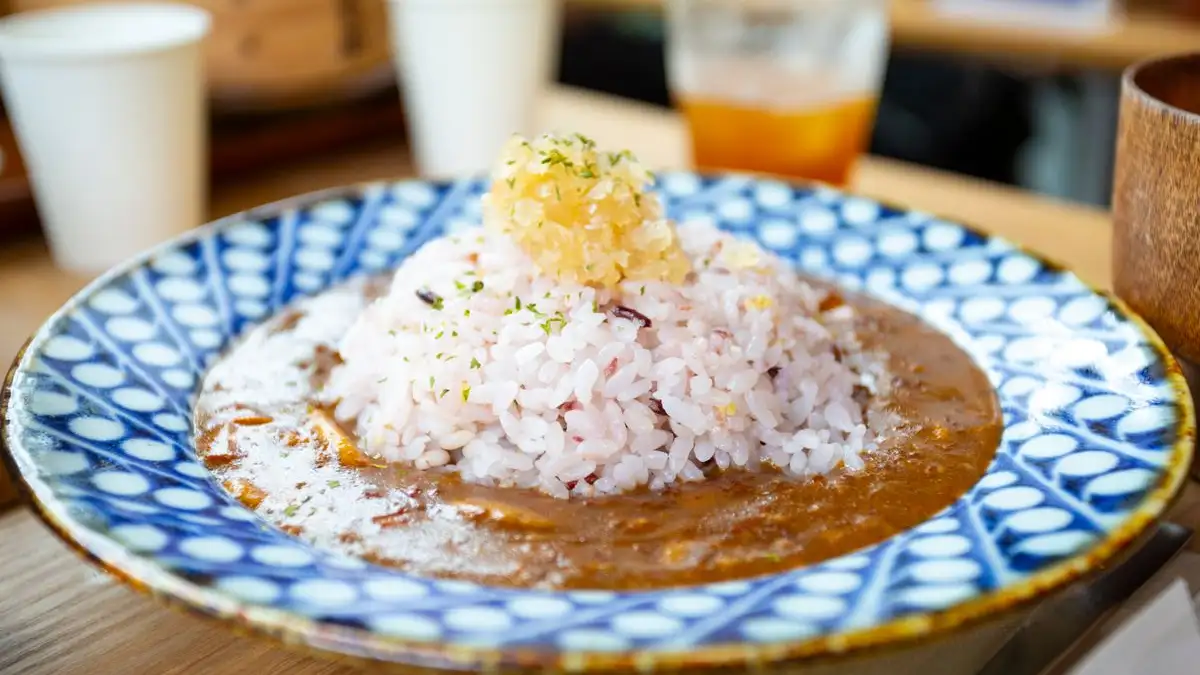
Pick the meal plan from your arrival time and your evenings, not from the plan's name. Room-only fits trips where you land late, leave early, or intend to eat your way through neighborhoods. Breakfast-included is the smallest step up, and it buys one handled meal before you walk out the door. Half board belongs to the nights the hotel is the destination — a mountain property, an onsen town, anywhere the nearest dinner is a taxi ride. At any single hotel, room type and meal plan sit on two separate lines, and you can change one without touching the other.
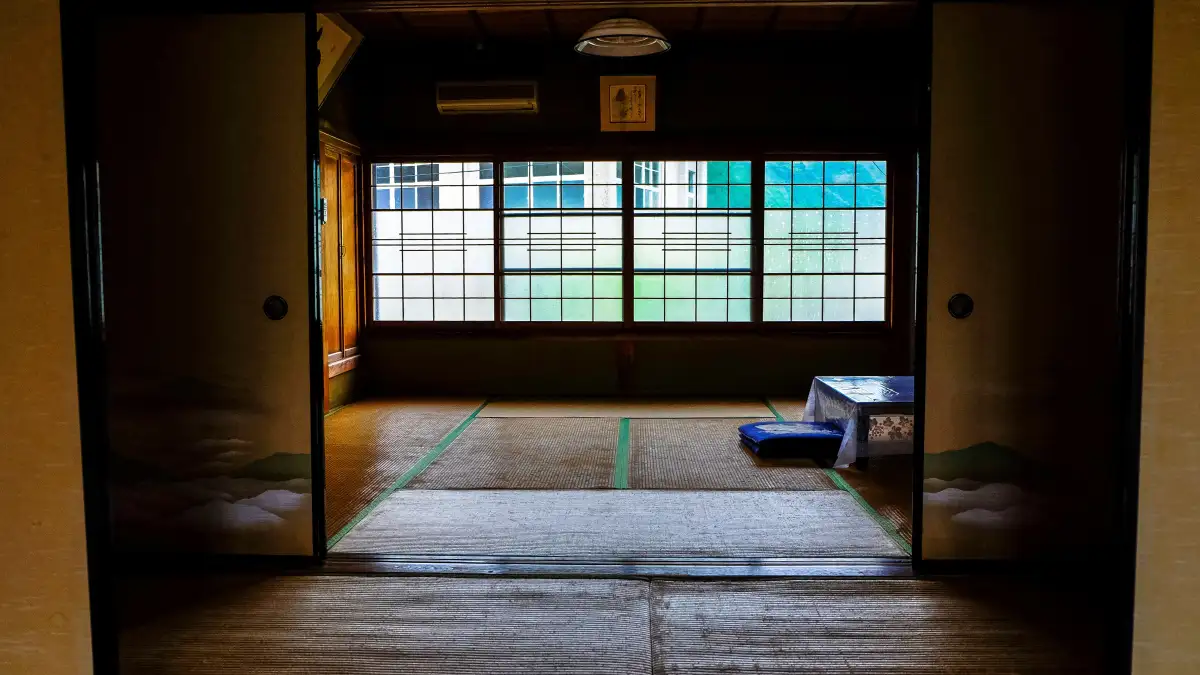
I work this out before I book, because the front desk is the wrong place to figure it out. You're standing there with your passport in one hand, the clerk has a sheet with your plan on it, and somewhere on that sheet is a dinner time you never agreed to. Nobody at the counter can fix that for you at that point.
So this is the order I actually run through.
Arrival time first, then count your evenings
The first number I look at is when I'll be standing in the lobby, not when the plane lands. Immigration, the train in, the walk from the station — all of that sits between the two.
If that moment lands inside the dinner sitting, half board is a meal you've committed to and won't eat. Hotel dinner runs in one fixed window, on the early side, and it doesn't slide because your flight was late. A few properties will hold a plate for you. Many won't, and the sitting is simply gone. If my arrival day ends after dark, I book room-only and eat near the station. There's almost always something open, and I'd rather eat at nine than watch the clock from four.
Then I count evenings. Write the trip out night by night and mark which nights you'll be back at the property at dinner time. On a five-night trip the honest answer is often one. If it's one, buy one — some properties sell meals by the night — or buy none. Most half-board plans cover every night of the stay, so a two-night plan with one night out means a dinner you weren't there for.
The second input is temperament, and it's the one people skip. Do you want to leave the building at seven and go find dinner, or do you want that decided for you? Neither is wrong. But if your idea of a good trip involves the basement food hall of a department store near closing, or a six-seat counter you found on a side street, half board takes that away from you every night you pay for it.
Breakfast is the smallest commitment you can make
Breakfast-included is the upgrade that touches nothing else. Your evenings stay yours. It does two jobs: it gets you out the door fed on a morning when you're moving early, and it removes one decision at an hour when jet lag has you staring at a wall. That's most of what it's for.
It also comes in more than one shape. Some hotels run a Western buffet. Some serve a Japanese set — rice, grilled fish, miso soup, pickles, egg — sometimes as the only option, sometimes alongside the buffet line. If you haven't done a Japanese hotel breakfast, that set is the part worth knowing about.
One caution: breakfast windows close mid-morning and don't stretch. If your mornings are six o'clock starts for a market or an early train, breakfast-included buys you nothing on those days. It's a plan for mornings you're actually in the building.
Half board is about the building, not the food
Half board means dinner and breakfast. The reason to take it is almost never the food. It answers one question: where is dinner otherwise?
If the property is remote — up a mountain, on an island, in an onsen town where the streets go dark — the answer is "nowhere convenient," and half board is the right call. If you're in a town with three restaurants and two of them close on the weekday you're there, same answer. If you want the evening to end with a set dinner and a bath and no logistics, also the same answer. Structure is a legitimate reason.
What you give up is choice. Half-board dinner is usually a set menu, not à la carte. Kaiseki at a ryokan, a course menu at a city hotel. If you don't eat fish, or you're traveling with a child who eats four things, a set dinner can be a long evening in a room you can't leave.
Where ryokan breaks the framework entirely
At a ryokan, the room and the meals are one product. Half board is the default, and room-only is often not offered at all. The night is built around it: you check in, you take the bath, dinner is served at a set time, your futon gets laid out while you're eating, breakfast comes early. That sequence is the ryokan.
So at a ryokan the question isn't which plan. It's whether this property and this night are what you want. If they are, take half board; you'll be in a small town where you didn't want to be the person solving dinner. Some ryokan do sell a no-meal plan and some don't, and if it's not listed, ask — but know what you're asking for.
The fixed sitting, and the questions I put to the hotel
In a city hotel, dinner is a sitting: one time, one room, everyone at once. That collides with everything a city is for. A temple that closes late, a ballgame that goes to extra innings, a reservation you waited weeks for — none of them bend to the sitting. And a missed sitting usually doesn't follow you back to your room.
Three things I ask before I commit:
- What time is dinner served, and can it move? Some properties will shift one sitting; some hold a single time for everyone.
- Which nights does the plan cover — every night of the stay, or only some?
- If I'm not there, is the meal held, boxed, or simply gone?
The answers decide it. If dinner can't move and you have two nights of late plans, half board is the wrong shape for that trip, no matter how good the menu reads.
Diet: the confirmation that has to come before booking
A set dinner is the least flexible meal in the building. That's fine if you eat everything. If you don't, ask before you book, not at check-in.
What I'd flag specifically: dashi. It's a stock made from fish, and it's in miso soup, in simmered vegetables, in a lot of dishes that read vegetarian on a translated menu. "No meat" and "no fish stock" are two different requests, and only one of them gets you a bowl of soup you can drink.
The question to send: can the kitchen adjust the set dinner for this restriction, with notice, and what would it serve instead? A clear answer means yes. A policy page or a vague "we will try our best" means book room-only and eat where you can read the menu at the counter.
The short version
- Landing after the dinner sitting: room-only.
- City trip with dinners out: room-only, or breakfast only if you want the morning handled.
- One meal you'd rather not think about: breakfast-included.
- Remote property, thin restaurant options nearby, or an evening you want structured: half board.
- Ryokan: half board unless you have a specific reason.
- Any dietary restriction: confirm the kitchen can adjust before you book.
The mechanic underneath all of it is that the room and the plan are separate dials. The same room is usually sold several ways, and the plan is the part you're allowed to be unsure about. If you can't tell yet, take the version with fewer commitments — dinner can still be found later, but a dinner you weren't there to eat can't be recovered.