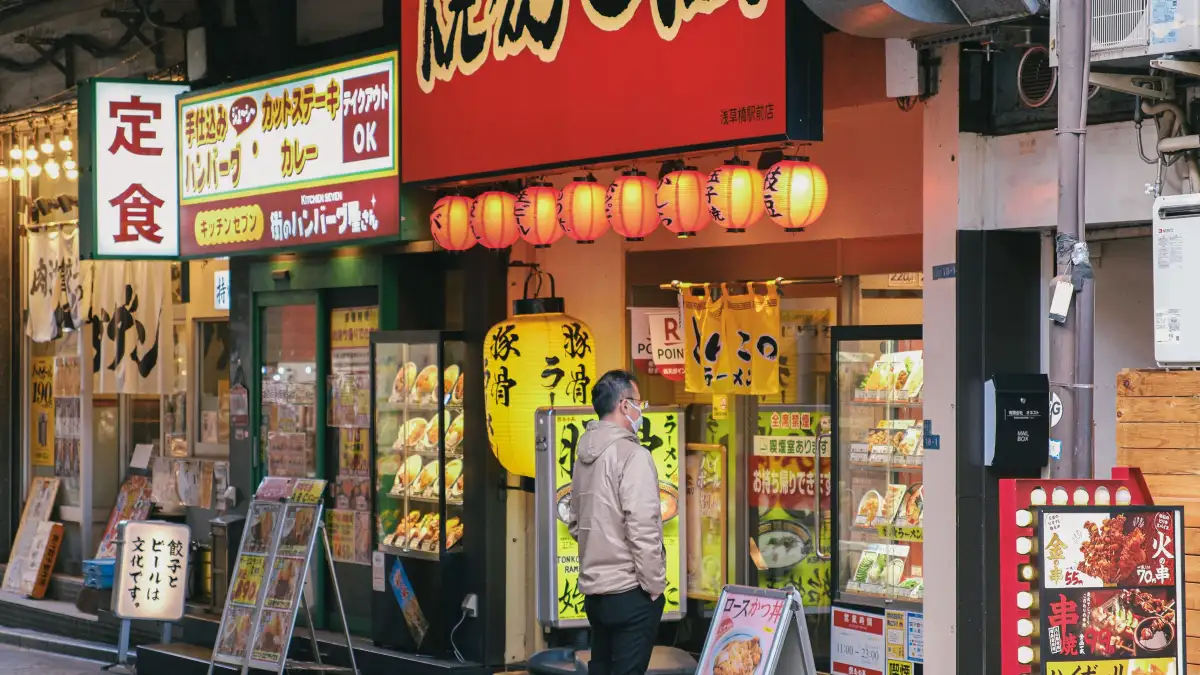
What Tokyo restaurant staff actually check when you say "gluten-free" is not the phrase itself. It is a Japanese noun printed on a card, carried from your seat back to whoever is cooking, and matched against either a written preparation sheet or a cook's memory. Three nouns carry most of that check: soy sauce, wheat flour, and the oil in the fryer. The nodding and the "daijōbu desu" are just the delivery system around it, and the seat you chose decides how well the system runs.
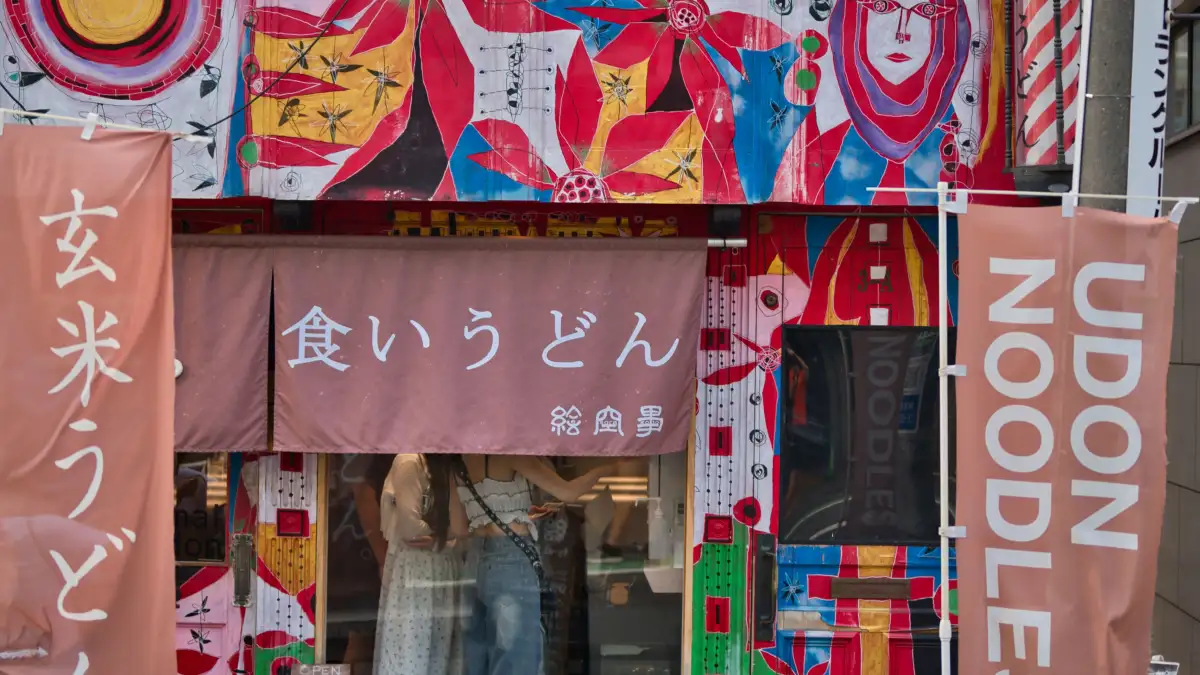
I keep a card folded behind my train pass, and after enough meals in Tokyo I've stopped caring how the card reads and started watching what happens to it. That's the part nobody explains. The card is not a spell. It's a key that opens exactly one door: the door to a kitchen answer.
Sit at a six-seat counter at 5:40 on a weekday. The fryer is already running and you are the second person in. You set the card on the counter rather than handing it across, because you want it read without either of you reaching. The person behind the counter picks it up. Watch the eyes — down once, up at you, then sideways. The sideways is the whole event. Sometimes it goes to a laminated sheet taped inside a cabinet door, sometimes to a tablet, sometimes into the middle distance while they work out who to ask.
I have watched that sideways look for years, and it tells me more about the next hour than anything printed on the wall.
The card is a look-up key, not a request
Here is the thing about "gluten-free" spoken out loud at a Tokyo counter: it's a category, and categories are the hardest things to check. Kitchen vocabulary is nouns. Flour. Soy sauce. Oil. Batter. Breadcrumbs. Gluten isn't a shelf in a Japanese kitchen. 小麦粉 — wheat flour — is a shelf. A card that hands staff a noun they can physically go and look at gets acted on. A card that describes a dietary position gets a warm nod and no trip to the back.
So the card has two jobs, and most of them fail one. It has to name the thing, and it has to say plainly that you cannot eat it. The noun alone produces an acknowledgment. The plain verb, the "cannot eat," is what produces movement: someone turning, someone opening a cabinet, someone calling toward the kitchen.
That is the entire mechanical difference between a card that works and a card that gets smiled at.
Who walks back, and why the walk matters
At a table in a mid-sized place, your request has relay points. The part-timer taking orders hears it, carries it to the kitchen, hands it to whoever is on the fryer. Every relay drops detail. By the time it reaches the person with the tongs, "no wheat flour" has become "no noodles," and the soy sauce — usually the real answer in the whole conversation — has fallen out of the sentence completely.
A small shop collapses the relay. The person taking your order often is the person cooking, or the only other person in the room is standing three feet away with their hands in something. That's why the same card handed over at a small counter produces a different kind of answer than the same card handed to a server in a big room. Not a better restaurant. Just a shorter distance between the question and the person who can answer it.
You can hear which one happened. A question coming back at you — "soy sauce, is that a problem?" — means the card got read. "Hai, daijōbu," delivered while already turning to the next order, means it got received.
The seat decides how fast the question travels
Counter seating is worth choosing for this one reason, separate from the food or the atmosphere. At a table, the answer comes back to you as a summary: he says it's fine. At the counter, you watch the answer being produced. The pause. The glance at the bottle of soy sauce. The walk to the shelf and back. A visible pause is not hesitation about you. It's a person doing the check in front of you instead of compressing it into a sentence.
There's a cost. At 7:30 with every seat full, the person in front of you is not stopping pace to read a label, and you shouldn't ask them to. Same card, same words, completely different quality of answer depending on when you sit down. I would rather eat at 5:45 and get a real answer than fight for a 7:30 seat and get a nod.
And at a table of four, your request quietly becomes the table's request. Somebody orders the shared plate with the sauce on it and it lands in the middle. Table geography does not care what you asked for.
Plates arrive before you have asked anything
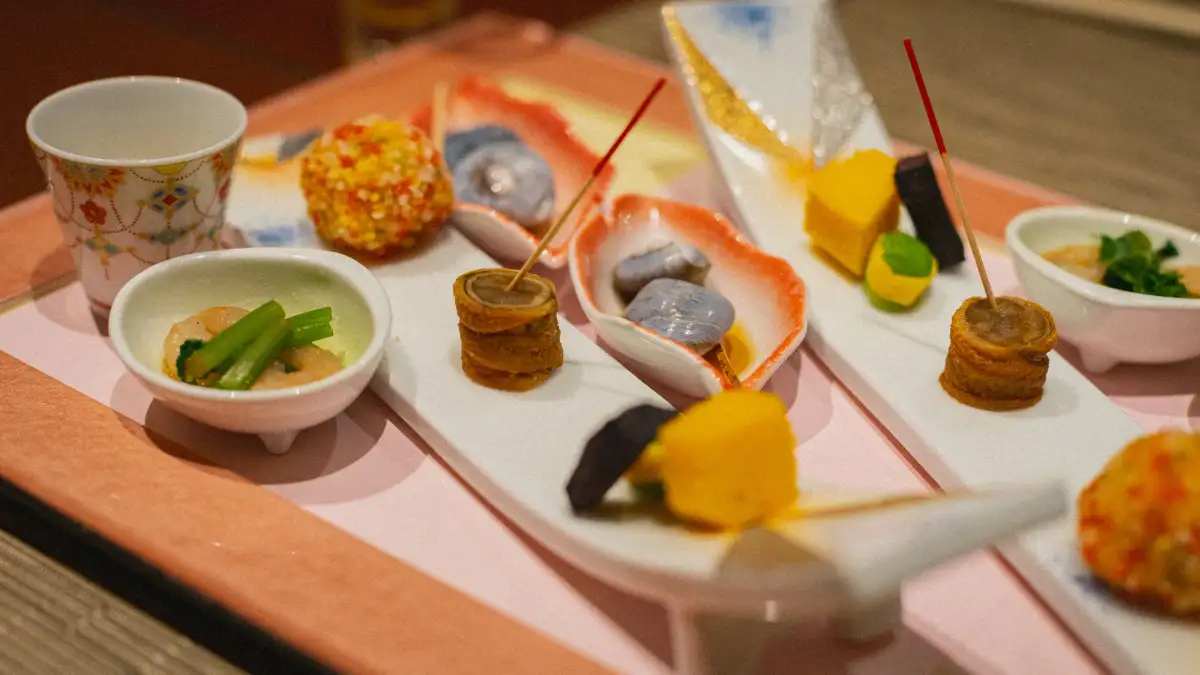
The otoshi — the small plate that shows up with your drink and the seat charge, before you've ordered a thing — is the first food on the table and the one plate you had no hand in choosing. If the check is going to happen at all, it has to happen at the moment you sit down, not at the moment you order.
Izakaya ordering makes the rest harder in a specific way. Plates are ordered for the table, they arrive when they're ready, and the passing starts the moment the second one lands. The problem isn't a menu problem. It's a sequence problem. Which means the useful question isn't what's safe on this menu — it's which of the things the table is about to order can be made without the three nouns, asked before the table starts moving plates around. The answer is often "some of them," and even that is real information.
The same pair of chopsticks goes into every plate and back out again. No card controls that. It's worth knowing before you decide how you want to run the table.
Three questions that fit in one breath
Soy sauce, wheat flour, and the frying oil. Those three come up at nearly every izakaya table, and they belong in a single question rather than three. In a small shop, asking the kitchen is not a free service. You are spending the one trip you get. One question with three nouns in it is far more likely to come back with real content than three separate trips spread across the meal.
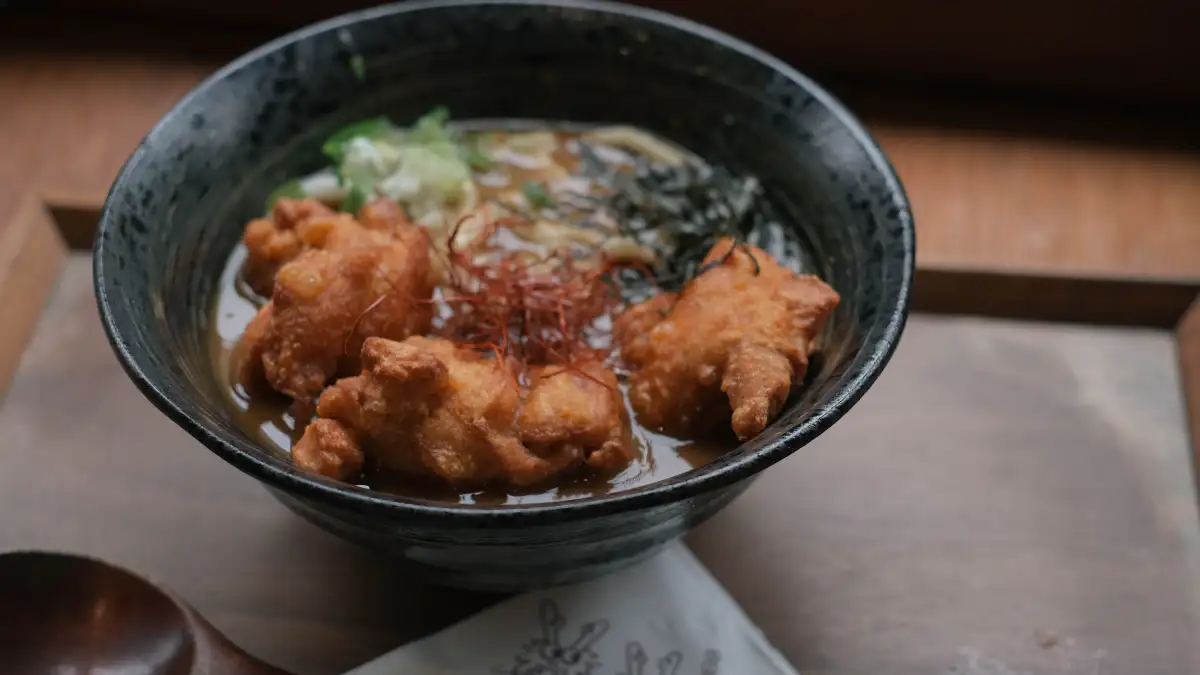
The fryer question has a predictable shape. In a small kitchen, one vat of oil handles everything that gets fried, and the honest answer is almost always yes, it's shared. What you're actually learning isn't the answer — it's whether the person cooking will say it plainly or wave it off. A cook who shrugs is telling you something, and it isn't a lie.
Batter, breadcrumbs, and thick soy-based sauces are the second layer, if the first answer holds up. But the first three nouns do the most work per breath, and stacking a fourth and fifth question onto the same trip is how you turn a check into a lecture.
The nod, and what it does not cover
A nod in Japan is doing a lot of work. It means I've heard you. It often means give me a second. It can mean I'm about to tell you no. It does not mean I have verified the ingredient. Those are two different acts, and only one of them is a check.
The check has a physical form: someone reading a label, someone opening a cabinet, someone saying chotto matte kudasai and walking away. If none of that happens, the card was received, not checked. And there's a third outcome people don't plan for — the staff genuinely doesn't know. Sauces arrive premixed. Suppliers change. The person in front of you may have no way to answer at all, and a lot of nodding with no nouns in it is what that looks like.
Sheets, memory, and what each one returns
Chain restaurants and the restaurant floors of department stores have an advantage that has nothing to do with how good the food is. Their preparation is standardized and written down, so a part-timer can look up an ingredient in a binder or on a tablet and give you a straight answer about a sauce. For a check, that is a real asset. What it can't do is tell you what happened in the fryer at 6:15. The sheet describes the recipe, not the room.
A single-owner shop is the mirror image. No sheet, everything from memory, and the person holding that memory is usually standing right in front of you. They can often improvise — grill instead of fry, leave a sauce off. But improvisation is exactly why you want to hear the pause rather than the promise.
Neither of those is a reason to pick one kind of place over another. It's a map of what kind of answer each one can give you.
What no kitchen can promise
A small kitchen is one room: one counter, one fryer, one pair of tongs moving between plates. Even a completely honest answer describes a recipe, not a room. The check tells you what's in the dish. It can't tell you what else touched it on the way through. That gap doesn't close in Tokyo or anywhere else — the most you get is a sense of how wide it is on a given night.
Which is what the card is really for. Not a promise. A check you can watch happen, in a language the kitchen actually uses, delivered to someone close enough to answer. Everything else is the sideways look, and you deciding what to do with what comes back.