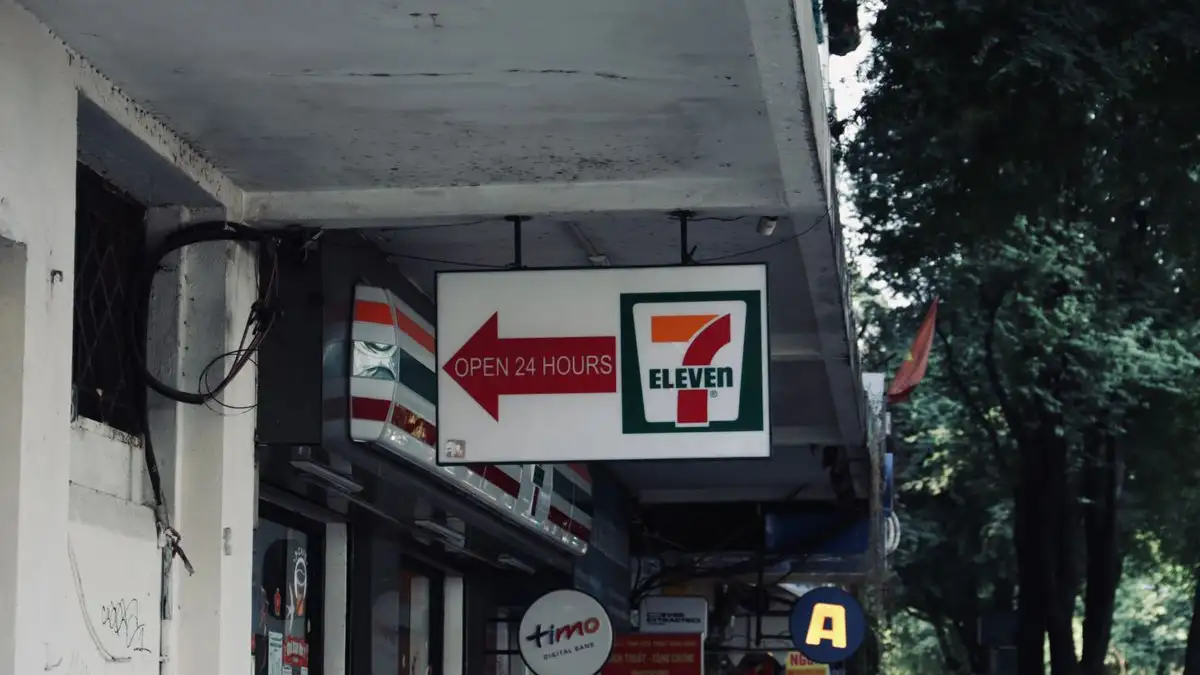
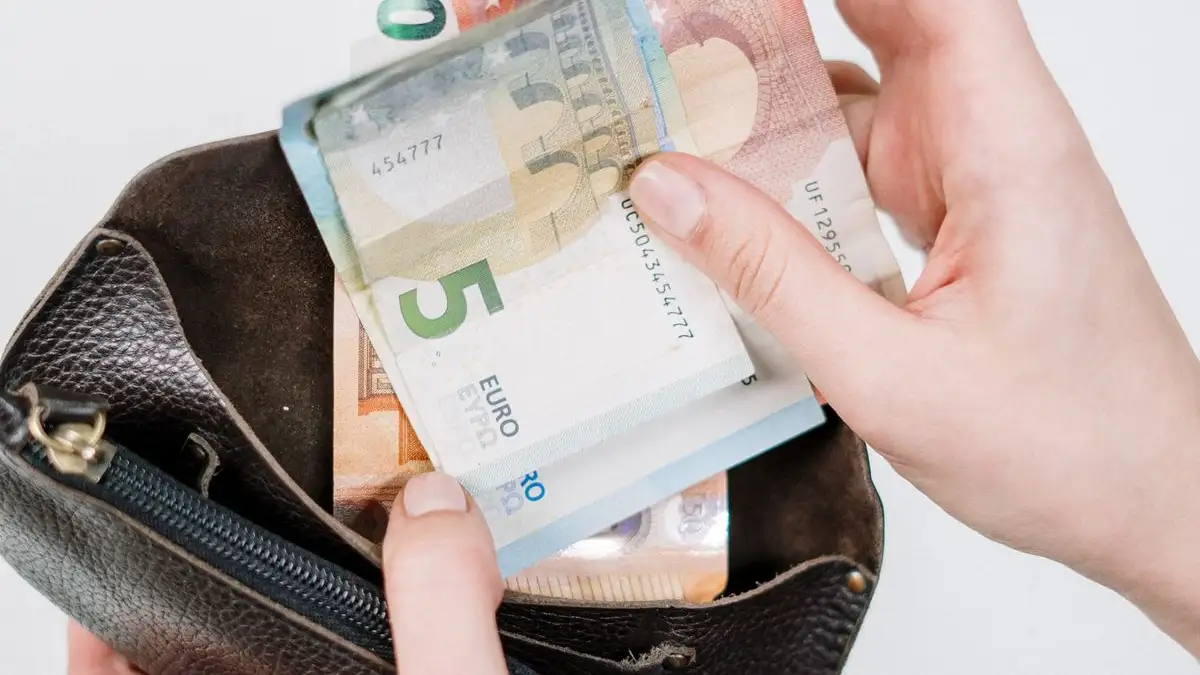
The card that works at a Japanese ATM is the one whose back carries a major international network logo — Visa, Mastercard, Plus, Cirrus, American Express, JCB, UnionPay — combined with a PIN you already know. A debit card tied to a U.S. checking account almost always clears, because it arrives carrying both of those things. A credit card frequently does not, because most U.S. credit cards never had a PIN issued in the first place. Credit union debit cards and prepaid cards sit in a middle zone where the logo band on the back decides everything and the bank name on the front decides nothing. Sorting your wallet by the back of the cards before you fly is the only reliable way to predict what happens at the machine.
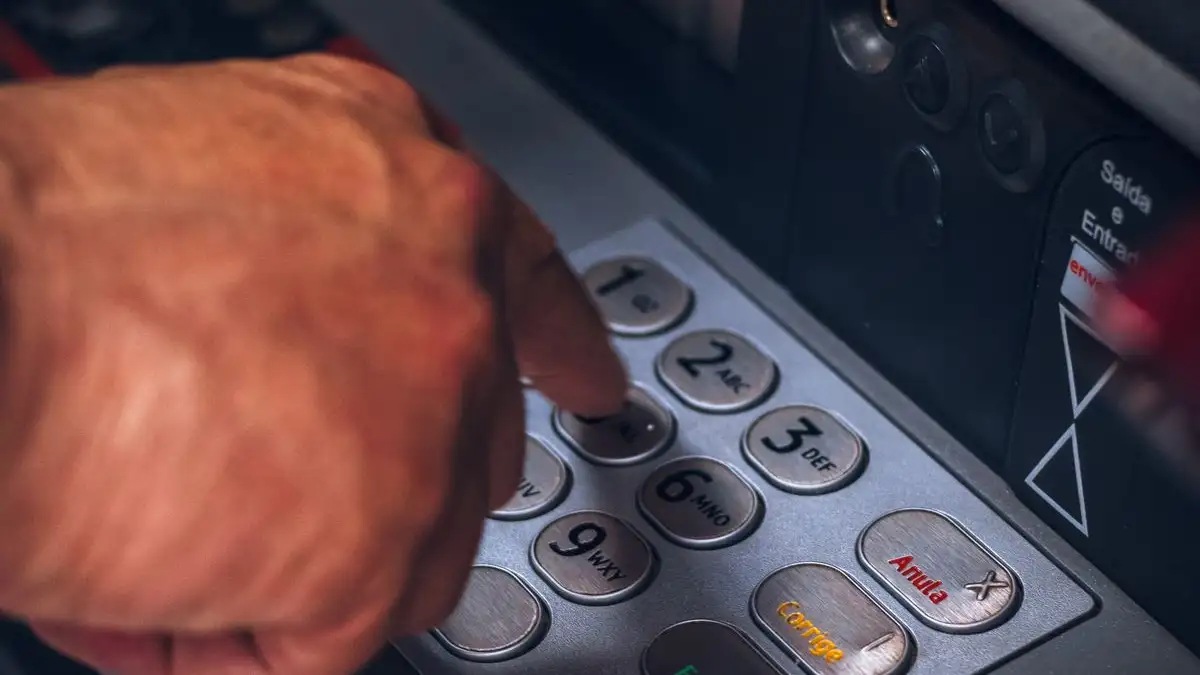
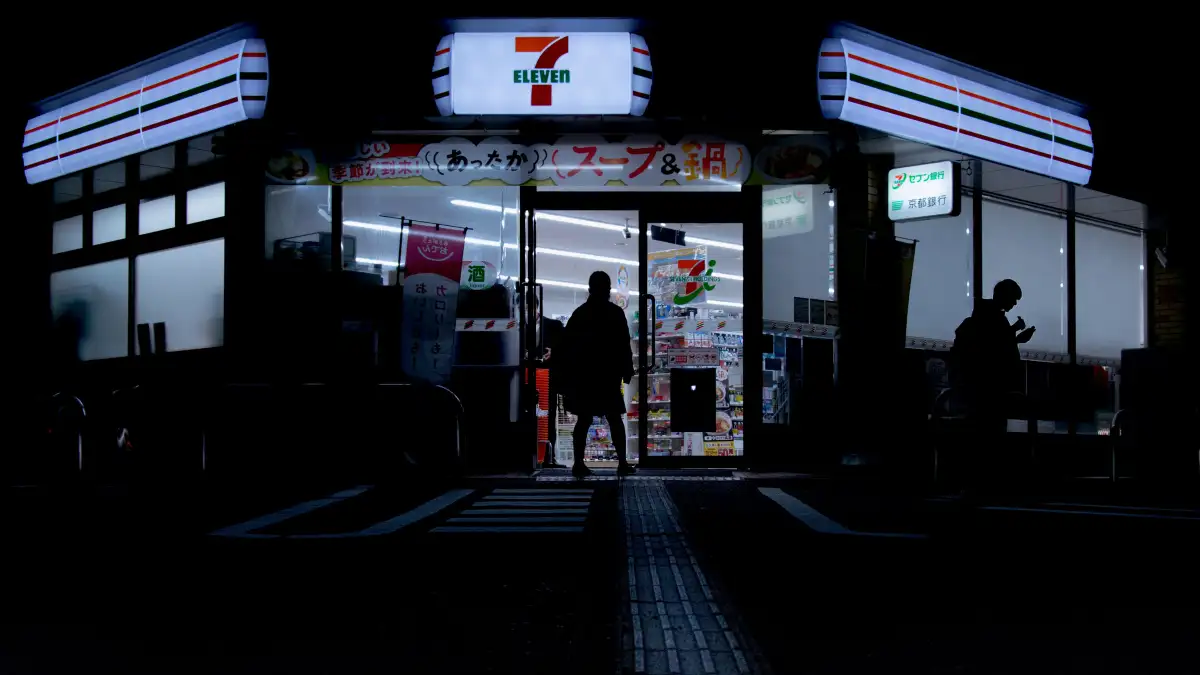
Standing at the ATM in the back of a 7-Eleven in Tokyo, the first thing I do is flip every card face-down on the little shelf under the screen. Not because the machine wants that. Because I want to read the logo band above the signature strip before I choose. The bank's name, the color of the plastic, the rewards program, the mountain or the flag or the star — the machine sees none of it. The logos on the back are the only thing it routes on.
Here is the wallet I am usually holding when I do this. A debit card from a checking account. A credit card I use for absolutely everything at home. A second debit card from a credit union I have kept since college. And, in the same slot, a prepaid travel card someone gave me years ago. Four pieces of plastic, and at a Japanese ATM they behave like four different species.
Start with the debit card, because it already has everything
The debit card is the one I insert first, and it is the one I expect to work. It has to have a PIN — that is how debit works in the United States, and it is how debit works in Japan. It almost certainly has a Visa or Mastercard logo. Those two facts together cover nearly the entire Japanese ATM network: the Seven Bank machines in 7-Eleven, the Japan Post Bank machines in post offices, the AEON machines in shopping centers, and the foreign-card lanes at the big commercial banks.
When I insert a debit card, I choose Checking at the account-type prompt. That prompt is where a lot of people go wrong without realizing it. The machine is not asking you a personality question. It is asking which ledger to debit. Checking is the answer for a U.S. checking account, and if you tap Savings because it sounded safer, you are now asking the machine to find an account that does not exist on the other side of the Pacific.
One debit caveat worth checking at home: if your PIN is six digits, some Japanese machines will only take four. I have watched a six-digit PIN get rejected twice in a row at a machine that happily took a four-digit card from the same wallet a minute later. If your bank lets you shorten it before you travel, that is one less variable.
The credit card problem is a PIN problem, not a network problem
This is the part that surprises people, and it is the part generic advice skips. A U.S. credit card can carry a flawless Visa logo and still be useless at a Japanese ATM, because the machine will ask for a PIN and there will be nothing to type.
At home, your credit card never asks for a PIN. You tap it, or you sign, or you use the chip. A cash-advance PIN is a separate setting on the account, set by the issuer, often mailed separately, and usually never requested unless someone asks for it. If you have never requested one, you do not have one, and at the machine the screen will sit there waiting.
So the credit card is not broken. It is unconfigured. If you want a credit card to work at a Japanese ATM, the request has to happen before you leave — you are asking your issuer to set a PIN on the account, and that is a distinctly different thing from your chip working in a store. In the machine, when the account-type prompt appears for a credit card, you select Credit rather than Checking. It still asks for the PIN after that.
I carry a credit card as my second option, not my first, precisely because of that gap.
Credit union debit cards and the narrow-network trap
My credit union debit card is the one that keeps me humble. It is a debit card. It has a PIN. By every rule above it should sail through. And it usually does — but not always, and the failures are not random.
The difference is the logo band. Small credit unions sometimes issue cards riding a single network rather than a spread of them, and that network may be one that a given Japanese ATM does not list. Same wallet, same account, same PIN: it clears at the 7-Eleven and gets handed back at the machine in the post office. I have stood there with two cards from the same account, one working and one not, and the only visible difference was which logos were printed on the back.
If you want to predict this before you fly, do it at your kitchen table. Turn the card over. Count the networks. A card with two or three recognizable names in that band has more doors open to it than a card with exactly one.
Prepaid cards: backup pocket, not front pocket
Prepaid and travel-money cards are the least predictable item in the wallet, and the reason is structural rather than personal. The issuing arrangement behind a prepaid card varies from product to product and sometimes from batch to batch. Two cards with the same brand on the front can be backed by different programs, and the network logo on the back may not reflect which machine the program actually supports.
So I treat prepaid as a fallback, never as the card I plan the day around. It is what I try when the debit card has failed and I have not yet found another machine. Sometimes it works immediately. Sometimes it does not. That is not a reason to leave it home — it is a reason not to build your cash plan on it.
The layer below the network: your issuer decides too
Network logo is necessary. It is not sufficient. Underneath the network, your own bank is running fraud rules on every transaction, and those rules are watching a card that has abruptly started asking for yen at eleven at night.
I have had a fully supported debit card declined on the first attempt and approved on the second, with nothing changed but the clock. I have had a card stopped after three withdrawals in a day. The machine's message in that situation is generic — something about the card not being usable, or to contact your bank — and it is deliberately uninformative. It does not know whether the problem is the network, the PIN, or the issuer. Neither do you, standing there.
What I do about this is boring and it works: I let the issuer know I am traveling, I use the same card I always use rather than a dormant one, and if the first attempt fails I try one more time before switching cards. A second attempt costs nothing. Switching to a card that has never been used abroad is often the worse bet.
What the ATM screen actually asks you
The sequence is short once you know it. Choose English. Choose withdrawal. Insert the card. Enter the PIN. Choose the account type — Checking for a debit card, Credit for a credit card. Choose an amount, either from the preset buttons or by entering your own figure. Confirm. Take the card, then the cash, then the receipt.
Two small things trip people. First, the account-type prompt, which I have already described and which is the single most common silent failure. Second, the card sometimes comes back before the cash does. Do not walk away from a machine that has returned your card — it may still be counting.
What failure looks like, and the order to try things
A refusal is quiet. The card slides back out, the screen shows a short message in English saying the card cannot be used, and no cash appears. There is no diagnosis offered.
When that happens, this is my order. Try the same card a second time. If it fails again, move to the next card in the wallet. If both fail, walk to a different machine type — a Japan Post Bank ATM instead of a 7-Eleven, or the reverse — because you may have hit a machine that does not list your network rather than a card that does not work. If the wallet is exhausted, use a card at a counter where a human can run it, or fall back to cash you already have.
What I would tell anyone packing for Tokyo: turn every card face-down on the bed before you zip the bag. Put the debit card with the fat logo band in the front slot, with a PIN you have typed recently enough to remember. Put a second debit from a different account behind it. Put the credit card third, and only after you have decided whether you want a PIN on it. Put the prepaid card last, and treat it as a card that might do anything.
The front of the card is marketing. The back of the card is the operating manual, and Japan reads the back.