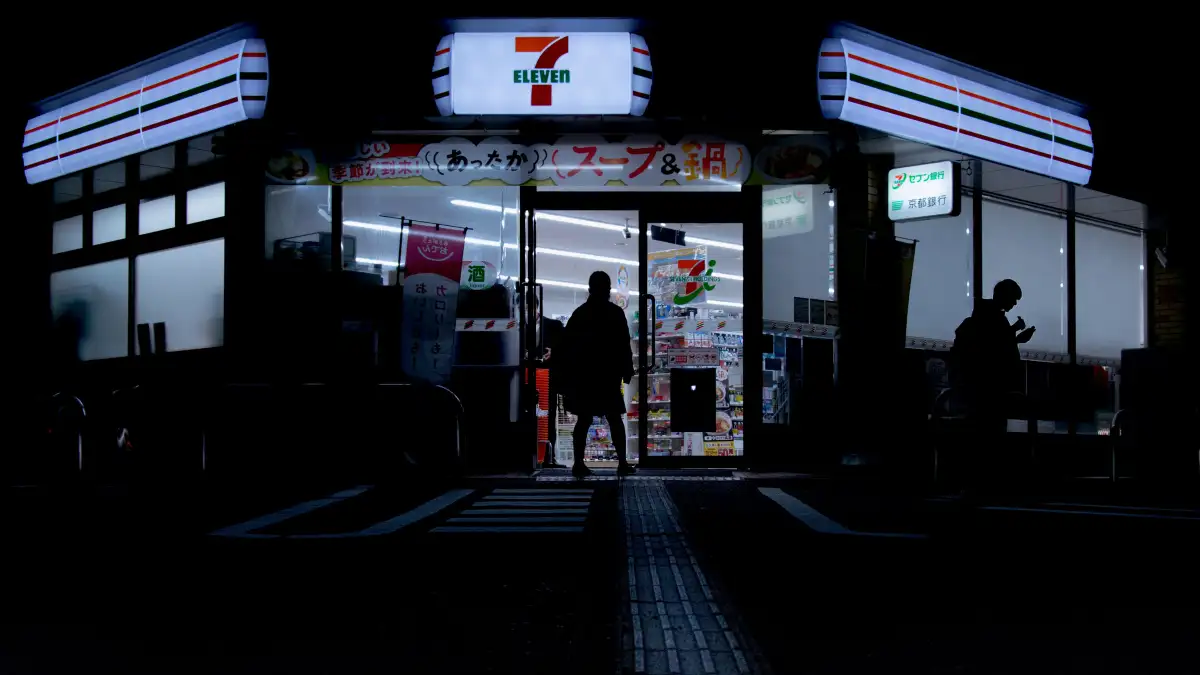
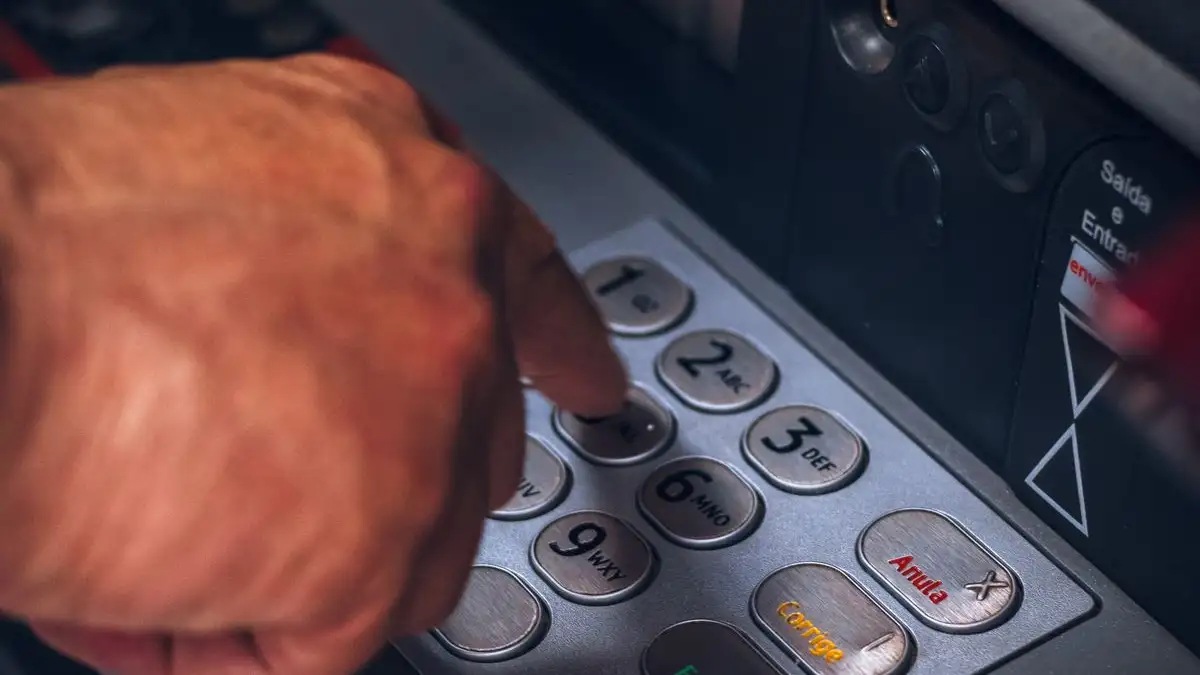
A 7-Eleven ATM in Tokyo sits inside the store, not in a street-facing lobby, and the sign that identifies it is the Seven Bank logo paired with the word ATM — the 7-Eleven name on the storefront says nothing about whether the machine behind the glass will take a card issued in the United States. What makes these machines the default cash point in the city is not any single good location but the density of the chain: stores sit on commercial blocks and around major rail stations in numbers that turn a withdrawal into a two-minute detour rather than an errand. For the first hours after landing, the reliable order is the airport terminal building first, then any branch near a station on the way in, then whatever sits between your hotel and the nearest station after that.
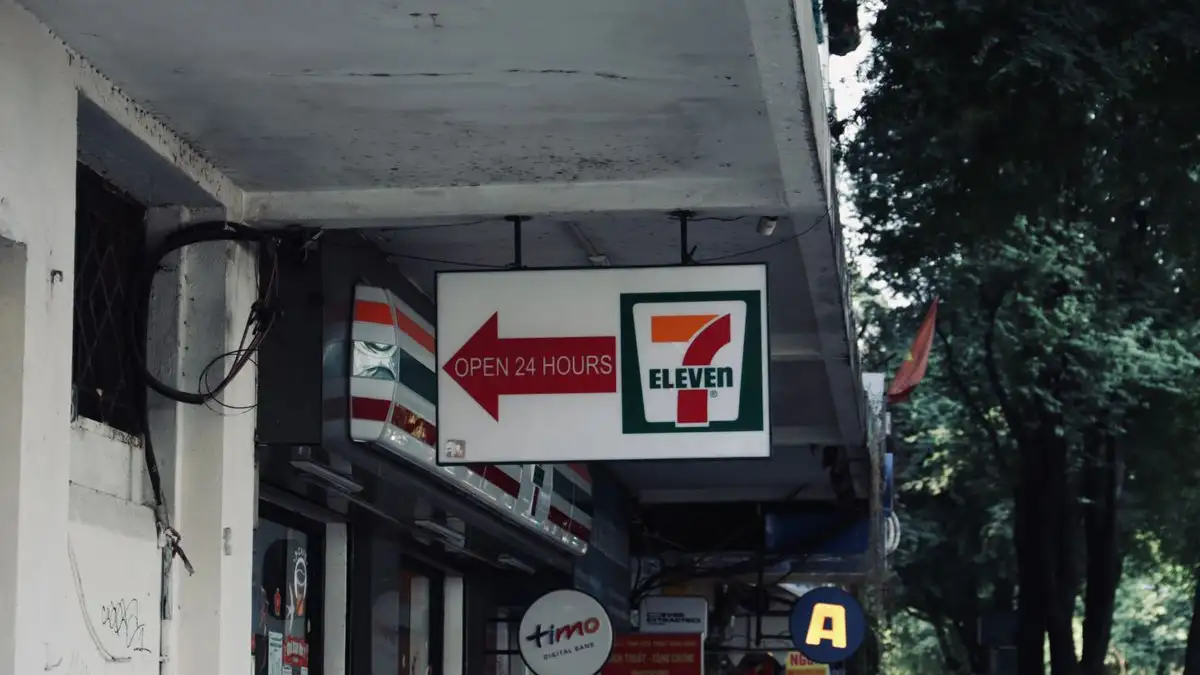
I stopped looking for addresses a long time ago. What I check instead is whether the block in front of me is the kind of block that supports a 7-Eleven at all — a station exit with foot traffic, an office cluster, a shopping street — because on those blocks the machine is a short detour, and on other blocks it is a search. That shift in thinking is the whole guide. Most people arriving in Tokyo ask where the nearest 7-Eleven is, and the better question is whether they are standing somewhere a 7-Eleven would be.
The store name is not the ATM sign
The 7-Eleven fascia and the ATM are two different things that happen to share a building. The machine belongs to Seven Bank, which runs its own network inside the stores, and the branding on the machine is that bank's, not the store's. When I need to ask for directions I say "Seven Bank ATM," not "convenience store," because hotel desk staff and station attendants parse the first one instantly and the second one ambiguously.
There's a practical reason for the distinction beyond trivia. Lawson and FamilyMart run their own machines, and foreign-card acceptance is not identical across all three networks. If someone waves you toward "the ATM at the conbini," you can end up at a machine that rejects your card, and you'll have learned nothing except that the person helping you was being approximate. The machine you want is the one with the green-and-white Seven Bank marking and the word ATM, usually in both Japanese and English on the casing. Once you're standing in front of it, the screen offers an English option, and the reading problem is over.
Where the machine sits once you're through the door
You can't see it from the pavement, and it's a waste of time to try. Storefront glass in Tokyo is covered with posters, window graphics, and shelving set right up against it, and the machine faces inward anyway.
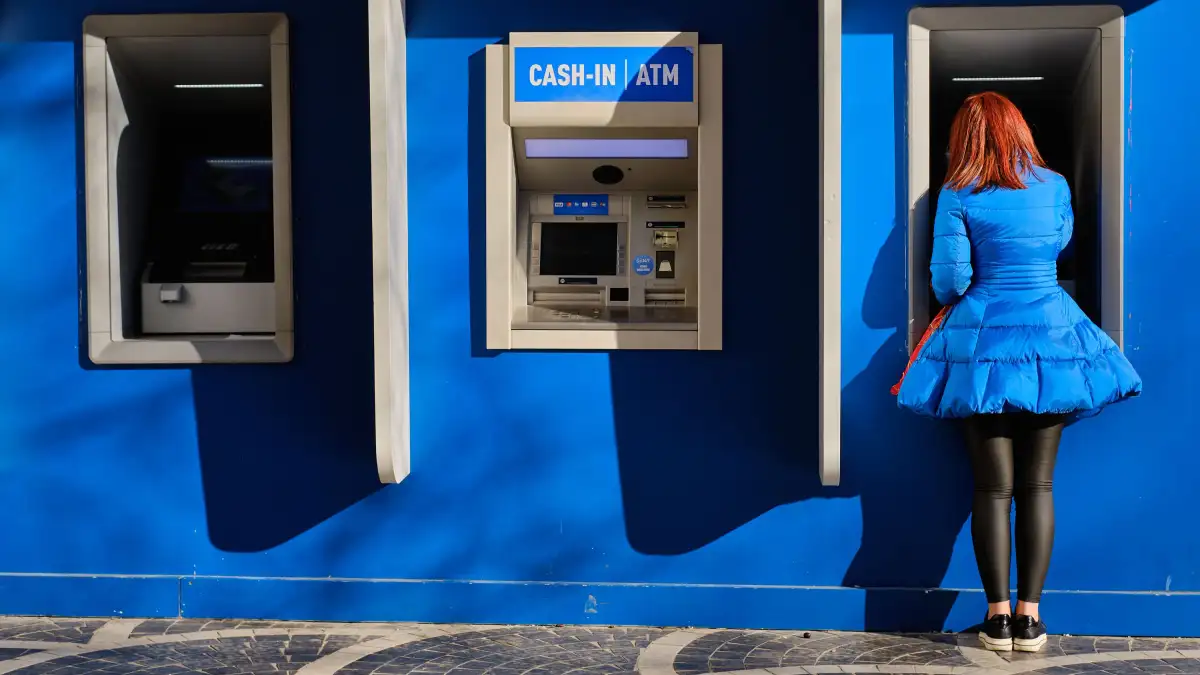
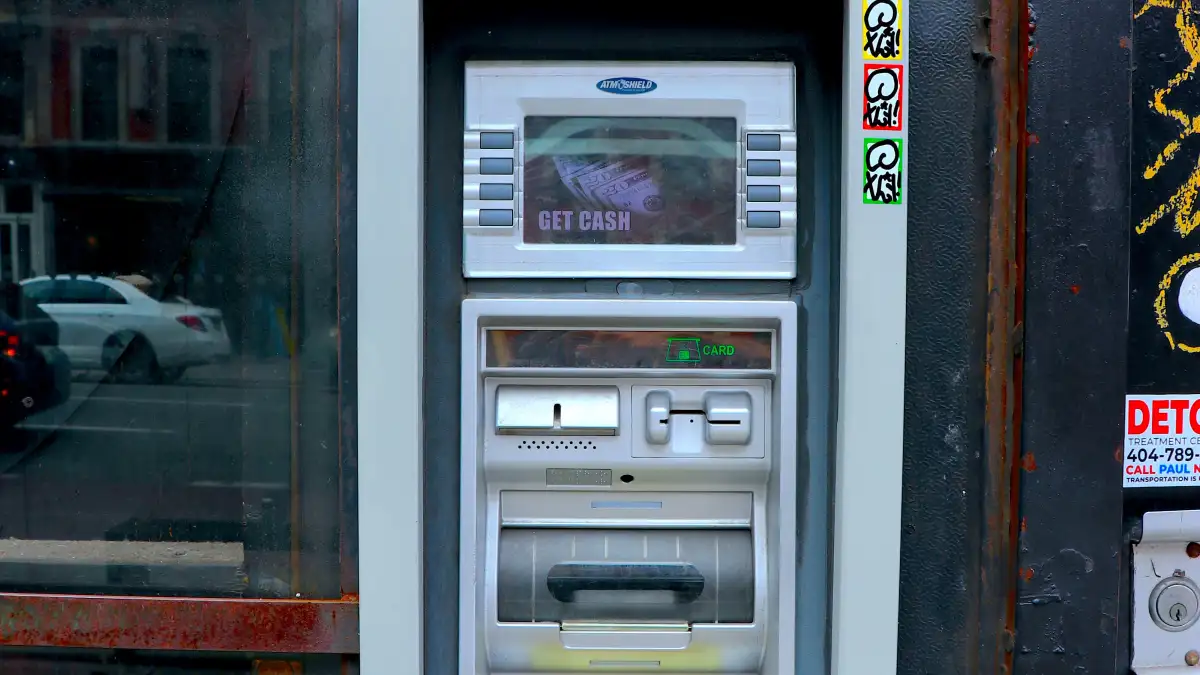
So walk in. The search after that is short. The machine is a kiosk-shaped unit, roughly waist to chest height, lit, standing against a wall. In most street-level stores it's toward the back or along a side wall, sometimes near the register, sometimes in the corner by the window. It's the only object in a convenience store that looks like a bank counter, which is what makes it easy to spot once you're inside.
What varies is the building. A corner store on a commercial street has one arrangement. A store carved into the ground floor of an office tower has another, and the machine may be tucked where the floor plan narrows. A small store inside a station complex can be almost nothing but the machine and a few shelves. So "check the back wall" is a starting point, not a rule. If you've been inside for fifteen seconds and haven't found it, ask the staff. Pointing works.
Haneda and Narita: cash before the train
Both airports have 7-Eleven locations inside the terminal buildings, on the landside, reachable before you head down to the rail platforms. That's the single most useful fact here for someone coming off a long flight, because it removes the first problem in one stop: you land with no yen, and you can fix that before you have to navigate anything.
Two caveats. Not every terminal has one, so this is a plan, not a guarantee. And a terminal is a big building — a store on the arrivals level is useful, a store past security is irrelevant because you can't get back there. What matters is a machine you can reach before the ticket gates.
One thing I'd say to anyone worried about airport markup: the machine at the airport runs on the same network as the one near my apartment. Same card acceptance, same fee structure as far as I've ever been able to tell. The airport is not a worse place to withdraw. If anything it's the calmest one, because you're not holding a suitcase in a train station while you do it.
A station is not one place
This is where most first-day plans break. A large Tokyo station isn't a point, it's a set of exits, and a 7-Eleven by the north exit does you no good if you surfaced at the south one. The useful unit of search is the exit, not the station name.
Large station complexes often contain a 7-Eleven in the concourse or in a commercial building attached to the station. Those are the ones I use when I'm transferring, because I don't have to leave the building or re-enter through a gate. The trade-off is real: that store may sit on the paid side or on a floor above the platforms, and if you've already tapped out through the gates, going back in costs you another fare. So if a transfer is coming, do the withdrawal before you exit, not after.
Hours, late landings, and the honest limits
The machine is usable whenever the store is open, and in central districts that often means around the clock. On a late arrival, that's the difference between having cash and not. But it isn't universal. In quieter residential areas, stores do close overnight. If your flight lands late and your hotel is in a low-traffic area, the airport or a major station is a better bet than a neighborhood store you're guessing about.
When you can't read anything around you
Hotel front desks and the staffed information counters near station gates will point you to the nearest machine. The map boards won't; people will. And it's worth separating two problems that feel like one. Finding the ATM requires help if you can't read the signs. Using it doesn't — the screen has an English mode, and the machine dispenses yen with the exchange rate and fees shown before you commit. You need help locating it, not operating it.
One last thing I keep in mind. Tokyo takes cards in far more places than it did a decade ago, but small counters, shrines, older restaurants, and some ticket machines still want cash, and a few thousand yen in your pocket removes a whole category of small frictions. Withdraw a larger amount less often rather than small amounts repeatedly, and let the fee math do the rest.