When a card is declined in Japan, the refusal almost always comes from one of three places — the machine you're standing at, the card network behind it, or your own issuing bank — and the screen rarely tells you which. Rule them out in the order that costs the least time and the least walking: cut the amount down first, then change machines and change the operator running them, then fall back to a Japan Post Bank ATM or a staffed counter, and only after all of that treat it as a block only your bank can lift. Nearly every wasted afternoon at a Japanese ATM comes from doing those steps in a different order.
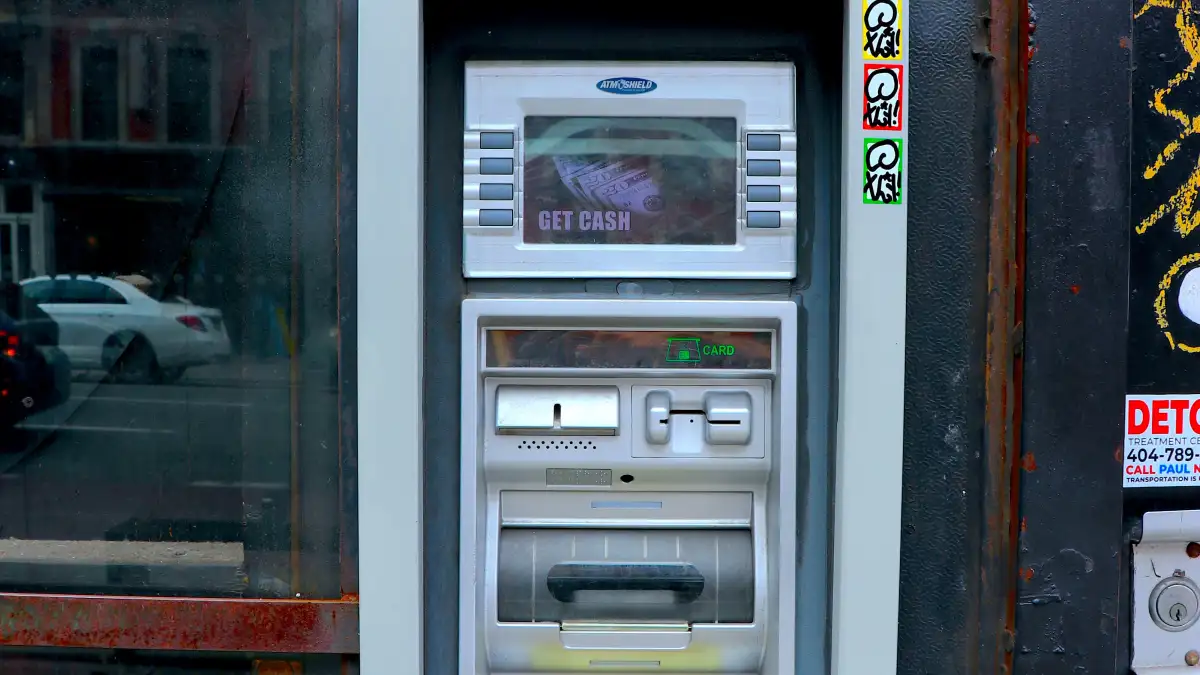
The failure itself is quiet. The screen runs its sequence — preset amount buttons, a confirmation, a whirring that sounds like counting — then a red line appears and the card slides back out at you. Sometimes a receipt prints with a short English phrase on it. Please contact your bank. This transaction cannot be completed. Occasionally there is nothing at all, just the card and a cancel button. The machine knew exactly what went wrong and has no obligation to explain it in a language you read fluently. So you stop asking the machine and start eliminating possibilities yourself.
Start with the amount, not with the card
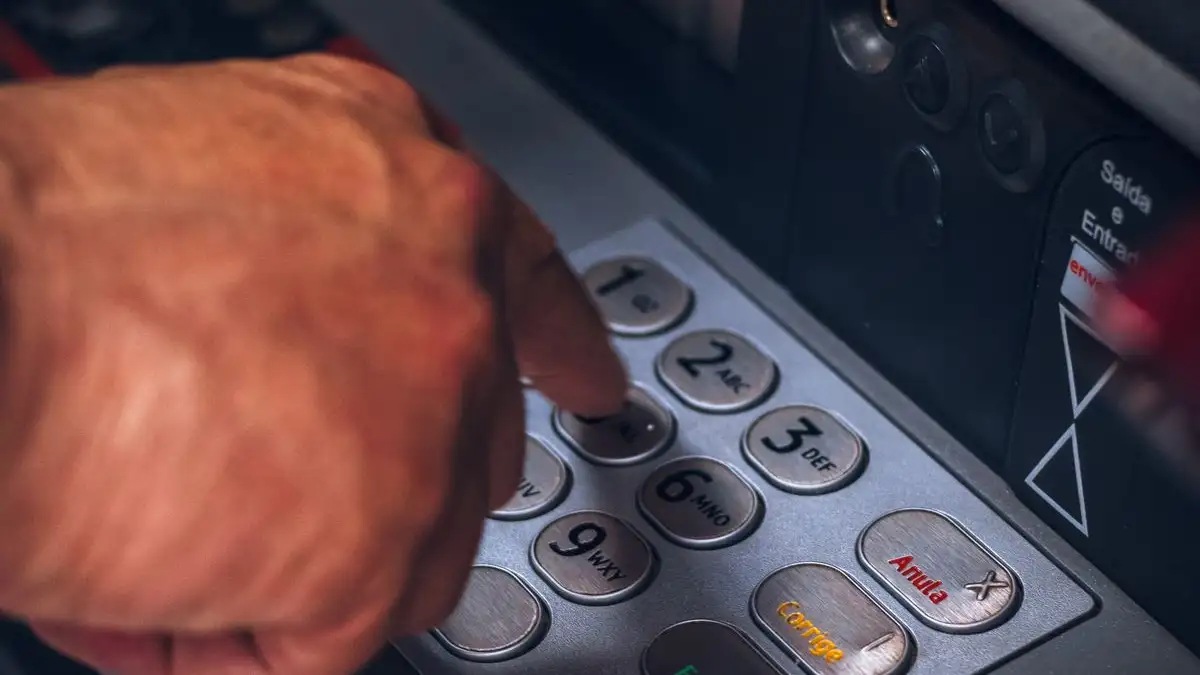
Before you walk anywhere, put the same card back in and ask for a small amount instead of the preset buttons. This is the single fastest separator there is, and it takes about ninety seconds.
Here's why it works. A withdrawal that busts a limit is refused in almost exactly the same way a stolen or frozen card is refused. Same red banner, same returned card, same vague receipt. Your account can be perfectly healthy and still say no because of a daily withdrawal cap your bank set, a per-transaction ceiling the machine applies, a foreign-ATM default that was never raised, or a cash-advance permission sitting at zero while purchases sail through. Reducing the request shrinks the authorization and takes the limit question off the table.
If a small amount comes out, you've learned the most useful thing available: the card is not blocked. Take what you need in a few smaller pulls instead of one big one, and move on with your day.
If even a tiny amount is refused, you haven't learned much yet — but you've ruled out one of the three sources, and that's the whole point of the exercise.
A card that fails here can work ten minutes later
The second-biggest mistake is treating the refusal as a fact about your card. It's usually a fact about that machine. Machines run out of the notes they dispense, lose their link to the authorization host, get their foreign-card acceptance switched off at a particular store, or handle only certain card brands on certain rails. I've had a card come back rejected at one machine and work without complaint at the one two blocks away, same card, same account, same hour.
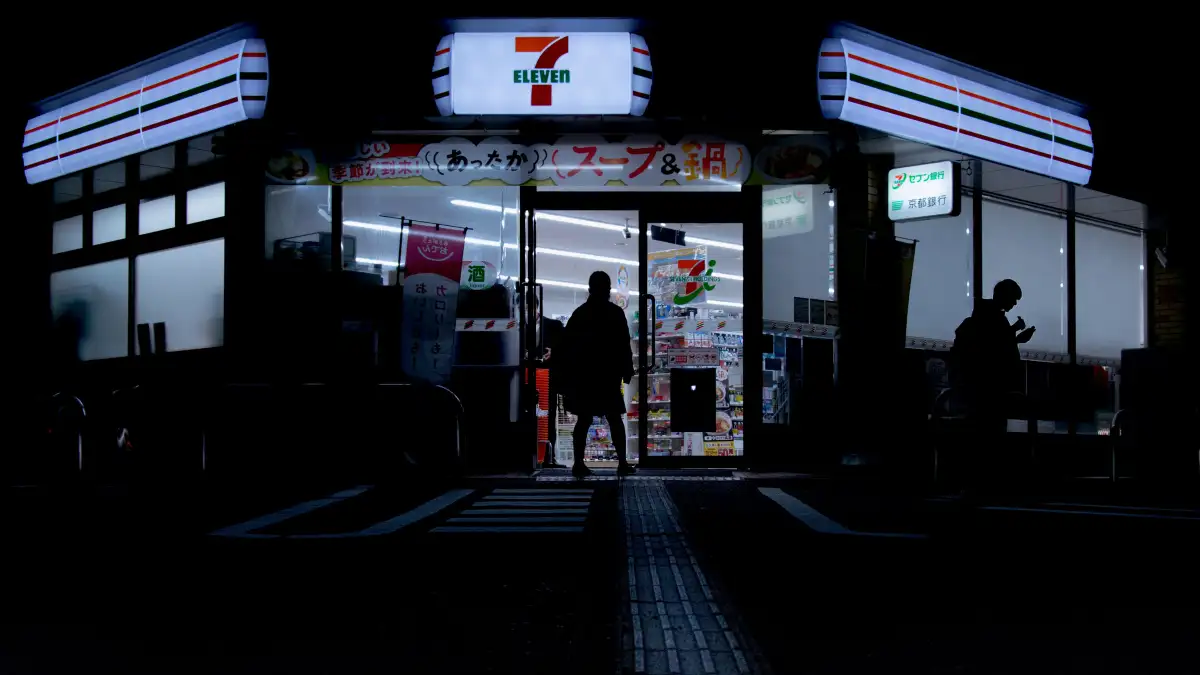
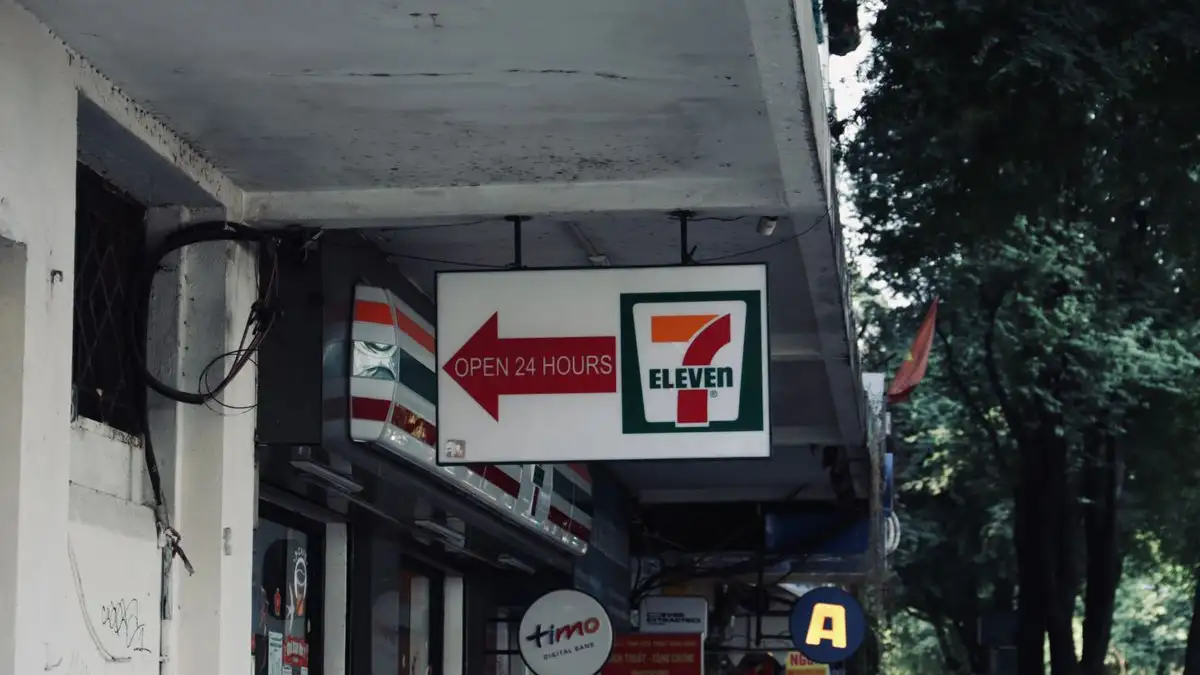
But be careful which direction you walk. Going to the next 7-Eleven proves nothing if the problem is chain-level, because you're testing the same operator's link to the same network. Move sideways instead of forward: FamilyMart, Lawson, an in-station machine, a bank lobby ATM. Different operator, different hardware, different path out to the network. If the card works there, the original machine was the problem and you can stop thinking about it.
The other thing to stop doing is feeding the same card into the same machine three times in a row. Once it says no, that machine's answer is no. Repetition feels like effort; it isn't.
The fallback that's almost always available
Japan Post Bank ATMs are the standard second move, and not because anyone prefers them — because of fixed traits. They sit inside post office branches, in many train stations, and in some larger buildings. They accept foreign-issued cards. They are the machine to look for when a convenience store ATM has already told you no.
What they are not is uniform. Post office lobby hours constrain many of them, and post offices themselves keep weekday-ish schedules, so late at night the post office is not a plan. That's the honest trade-off: the most reliable acceptance in the country, attached to some of the least convenient hours.
Other convenience store chains run their own ATMs, and their acceptance of foreign cards is noticeably less consistent than the 7-Eleven machines. So "I'll just find a convenience store" isn't a plan. "This operator, then that operator, then the post office" is.
When a counter beats a machine
Bank branch counters can process a withdrawal over the counter with your passport, during business hours, and this is worth knowing for two reasons. First, it's a real fallback on a weekday. Second, it's a diagnostic tool: if a person at a counter can process the card, the card works and the machine was the problem — the question answers itself in a way no receipt ever will.
The limitation is real, though. Not every branch is set up to handle foreign cards, and a smaller neighborhood branch may simply send you to a bigger one in a commercial district. This is a daytime, weekday move. It is not 2 a.m. It is also slower than any ATM, so don't default to it — use it when the machine path has already failed twice.
The refusals no machine can fix
The pattern to watch for is the one that repeats itself across everything: same card, small amount, three different operators, two different neighborhoods, all refused. That is no longer a machine problem. It's also worth knowing that a card which pays fine at a register and refuses at every ATM is telling you something specific — the account is fine, and it's the cash-access permission or the ATM rail that's failing, not your money.
When the block sits on the issuer's side, no machine in Japan can lift it. Feeding the card into a fourth ATM just generates a fourth refusal. What you need is the international collect-call number on the back of the card and a phone that can reach it. I write that number on a slip of paper and keep it behind my transit card, because the moment I need it is usually the moment my phone is dead or my data plan is useless.
Two practical notes on that call. First, having the right documents in front of you shortens it — passport, card, and the account details. Second, the time zone runs in your favor more often than people expect: Tokyo sits roughly half a day ahead of the United States, so a late-night call from your hotel room lands in the middle of your bank's business morning. And if your carrier supports it, calling over Wi-Fi from the hotel is easier than fighting with a foreign SIM.
What to do with the rest of the day
Once you have cash, spend a little attention on the fact that Japan is still a cash city in patches. Smaller restaurants, market stalls, shrine and temple offerings, older shops, and plenty of quiet counters where the terminal either doesn't exist or takes domestic cards only. The transit IC card in your pocket is a cash-shaped need too, and cash is the reliable way to top it up when a machine gets fussy.
That's why the recovery path matters more here than it would in a country where every surface takes a tap. A decline in Tokyo isn't an inconvenience; it's a stop.
So keep the order straight. Shrink the amount. Change the machine, then change the operator. Look for the post office. Try a counter on a weekday. Call your bank only after the earlier steps have failed, because by then you're not guessing — you've already proven it isn't the machine. The difference between ten minutes and an entire afternoon is almost never the card. It's the order you try things in.