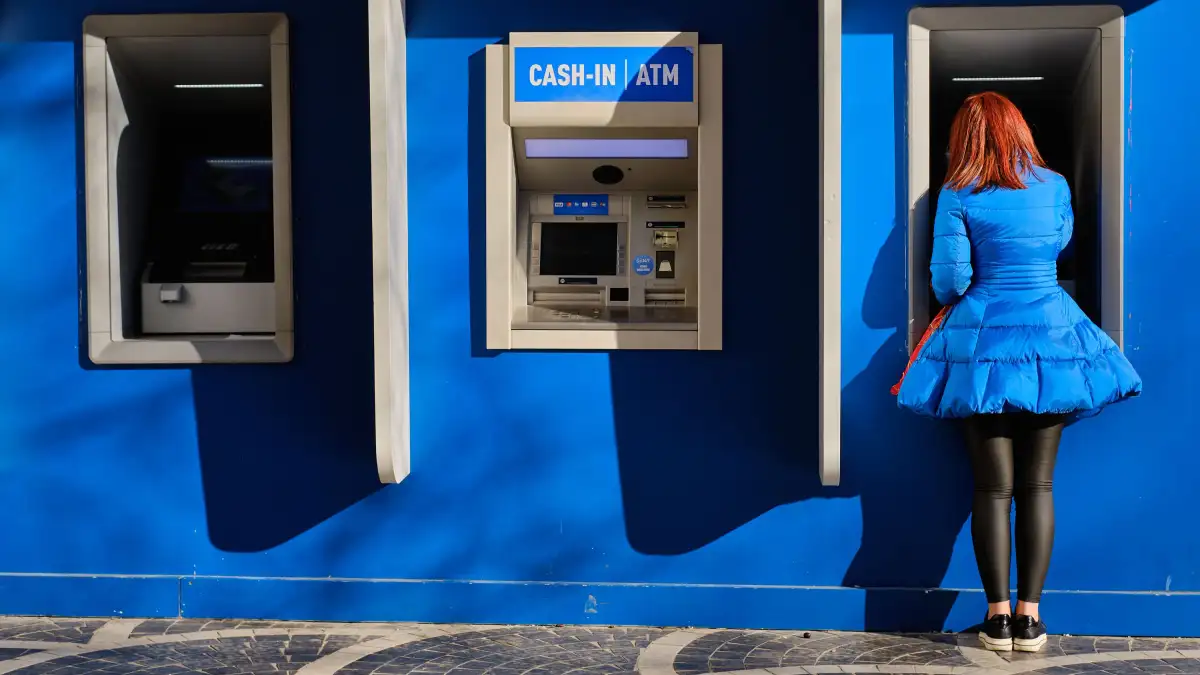
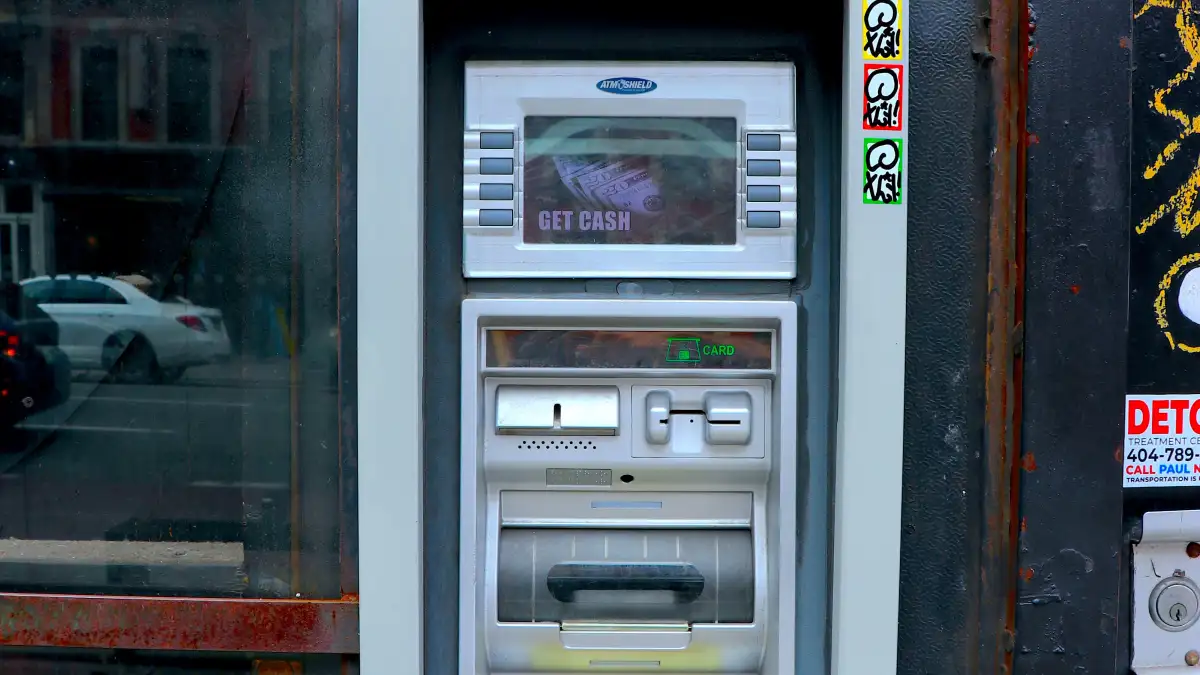
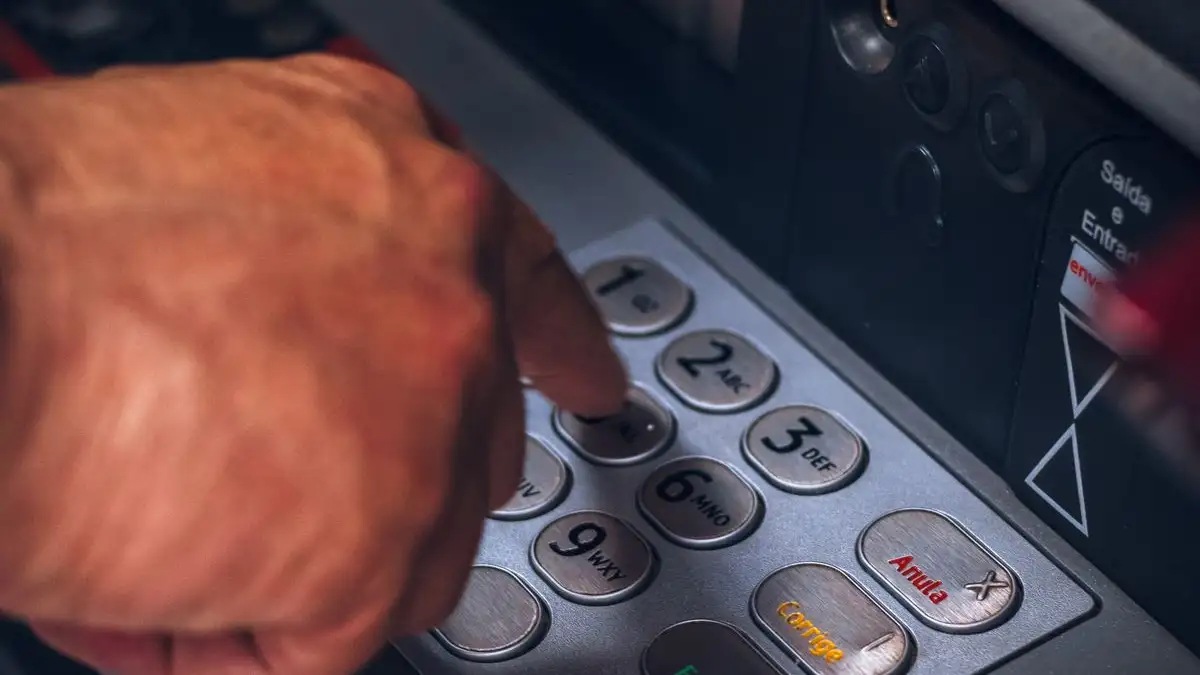
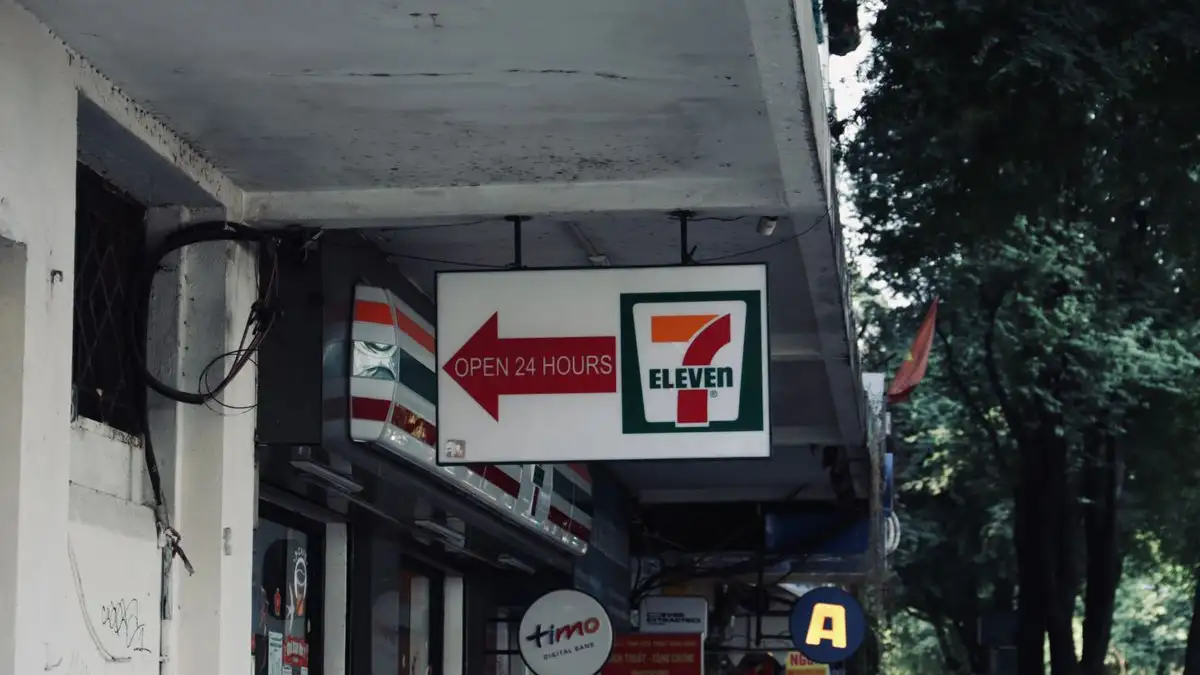
Carrying too little cash in Tokyo doesn't cost you money so much as time, and the time is the part that breaks an afternoon. Every top-up is its own errand: find a machine that accepts your card, wait behind someone paying a utility bill, tap through a menu, and receive a note too large for whatever you were about to buy. Plan cash in blocks instead. Take out a larger amount less often, make the first withdrawal while you are still in a district where several ATM networks sit within a few minutes of each other, and treat whatever you buy right after a withdrawal as a note-breaking errand rather than a real purchase.
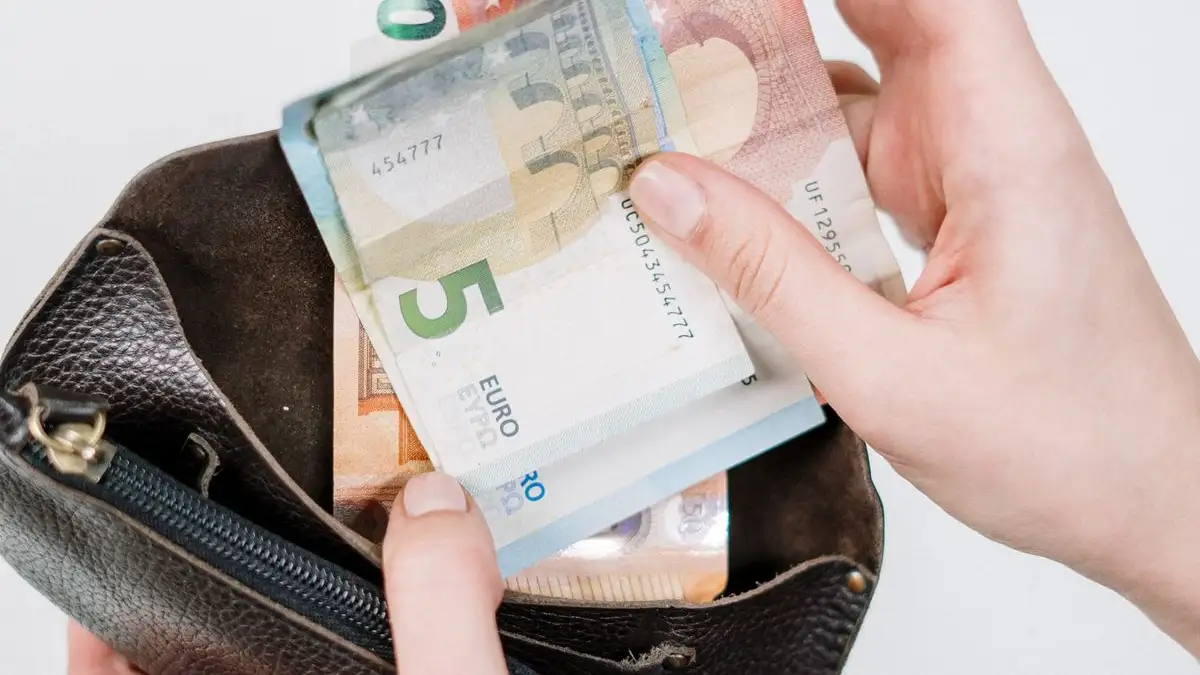
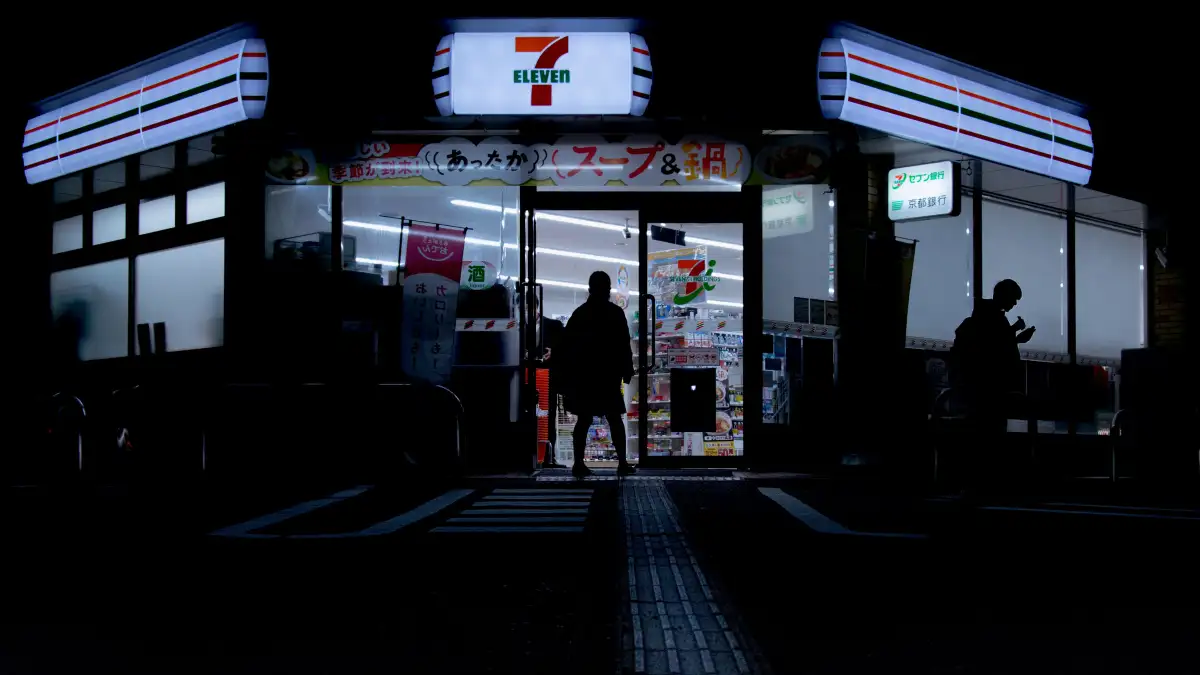
Stand with me at the machine for a second. It's a little after nine at night. I'm in a convenience store on a residential street, one of the only lit windows on the block, and the ATM whirs, prints its receipt, and drops a single large note into the tray. I fold it into a wallet that has almost nothing else in it, and walk back out into the dark to find dinner. That's the mistake, and it isn't about fees. It's about the fact that I'm standing in this store at all, when I could have done the same errand at four in the afternoon in a place where three banks share a corner.
Most explanations stop at how the machine works. That part is genuinely useful, and it's also the easy part. What's harder to find is the rhythm of cash across a whole trip, which is where the time actually goes.
Withdrawing Is a Chore, Not a Tap
Count what one withdrawal really costs. There's the walk, which in a city where you're already on your feet is real distance you weren't planning to spend. There's the queue, usually short and occasionally not. There's the menu, a few more taps than you expect on some machines. And there's the minute afterward, standing outside with a note you can't use yet.
Multiply that by five or six errands and you've handed an hour or two of Tokyo to a chore that didn't need repeating. Fewer, larger withdrawals win because the withdrawal stops interrupting your day, not because of anything printed on a receipt.
There's a second reason, and this is the one that bit me. Machines and card issuers both impose limits, per transaction and sometimes per day, and they don't always announce themselves in language you'll read carefully at the time. If what you need exceeds one withdrawal, you find out standing right there, and then you do a second withdrawal on the spot, which is survivable. If you've hit the daily cap instead, you're done until tomorrow, and now you're arranging an evening around a cash shortage you created by trying to travel light. One bigger withdrawal spreads across days. Six small ones give you six chances to meet a wall.
The First Purchase After a Withdrawal Is the Note-Breaking One
The tray hands you the largest note the machine stocks, every time. So the first cash purchase after a withdrawal isn't really a purchase. It's a conversion, and it's worth choosing where to do it.
My preference is a standing soba or udon counter with a ticket machine by the door. You feed in the big note, the machine produces a meal ticket and a small pile of coins, and you walk away with a broken note, lunch, and the beginning of a coin pocket. A convenience store works too, though if the register takes IC cards you may end up tapping instead and carrying the big note onward, which delays the problem rather than solving it.
Where a Large Note Is Welcome, and Where It Isn't
Any staffed counter with a change tray will take a large note, even for a small purchase. The friction appears where there's no person in the loop: the shrine offering box, the coin locker in a station, the older vending machine on a platform, the bus fare box. Those want coins, and sometimes exact ones. That's not a reason to fear large notes. It's a reason to break one early, before you're standing in front of something that can't help you.
Coins Are the Second Layer of the Cash Plan
Coins accumulate here faster than in almost any city I've spent time in. The hundred-yen coin is the one doing the actual work: lockers, vending machines, the small bakery counter, the coin laundry if your hotel has one. The coins with holes in them are the ones I set aside for a shrine's offering box, a couple at a time, rather than digging for them at the steps with a line behind me. The rest are worth keeping in a separate zippered pocket in the day bag, not loose in a pants pocket, because a handful of loose change is what makes you the person holding up the register while you sort.
When that pocket gets heavy, don't dump it into a tray at the end of the day. Take it to a convenience store register and put it into your transit card. Registers can usually add value to an IC card with cash, coins included, and that turns a jingling weight in your bag into train fare. It's the cleanest coin sink I've found.
Withdraw Where the Machines Are Dense
Central districts have ATMs from several different networks within a few blocks of each other. Residential areas thin out fast, and the machines that remain have habits. Some sit inside a bank lobby or a shopping arcade that closes with the building, which means the machine is there and the door is locked. Others keep hours that don't match yours.
So make the first withdrawal of a trip early, while you're somewhere busy, and top up again in the afternoon before you head somewhere quiet for the evening, rather than after you arrive and discover what's available. This matters more than it sounds, because card acceptance is uneven. A card that works at one network's machine can be refused at another for reasons nobody at the machine will explain. That's a two-minute problem in a busy district and a much longer one on a dark residential street, where the fix is simply walking to a different network, and the nearest one might be a real walk.
Split the Stack Before You Need To
Keep the working money in the wallet you actually open at counters, and put a second, untouched amount somewhere else entirely: the inner zip of the daypack, a money clip at the bottom of a camera bag, the folded tote you never use. If the wallet disappears, or a card stops working, or a machine keeps a card, you still have dinner and a train ride while you sort it out. This is the one part of cash planning that's about risk rather than convenience, and it costs nothing to do.
Loading the IC Card Is a Withdrawal You Don't Have to Make
A loaded transit card covers trains, buses, and a large share of convenience store and vending machine purchases, which lowers how much cash any single day actually requires. Load it in one deliberate block at a station machine or a register instead of adding a little every time you cross a gate. Fewer stops, fewer taps, and the cash you're carrying only has to cover what is genuinely cash-only: the tiny restaurant with six seats, the shrine, the older shopping street counters, the taxi that doesn't take cards.
That list is shorter than most people expect, which is why a card-only plan fails and a cash-only plan is also wrong. The version that works is both, with the cash handled in blocks, and the blocks planned before the day starts pulling you somewhere else.