Suica and Pasmo are the same card in the only place that ultimately decides a trip: the gate. They tap the same readers, they charge the same fare for the same ride, and they work on the same trains, buses, station machines, and convenience store counters across Tokyo and well beyond it. What actually separates them is logistics, not features. Suica is issued by JR East. Pasmo belongs to the Tokyo private railways and the subway operators, through a company the railways set up together. That fact determines which machines sell each card, which staffed window will take it back, and whether you can get your money out before your flight home. Settle those three things and there is nothing left to decide.
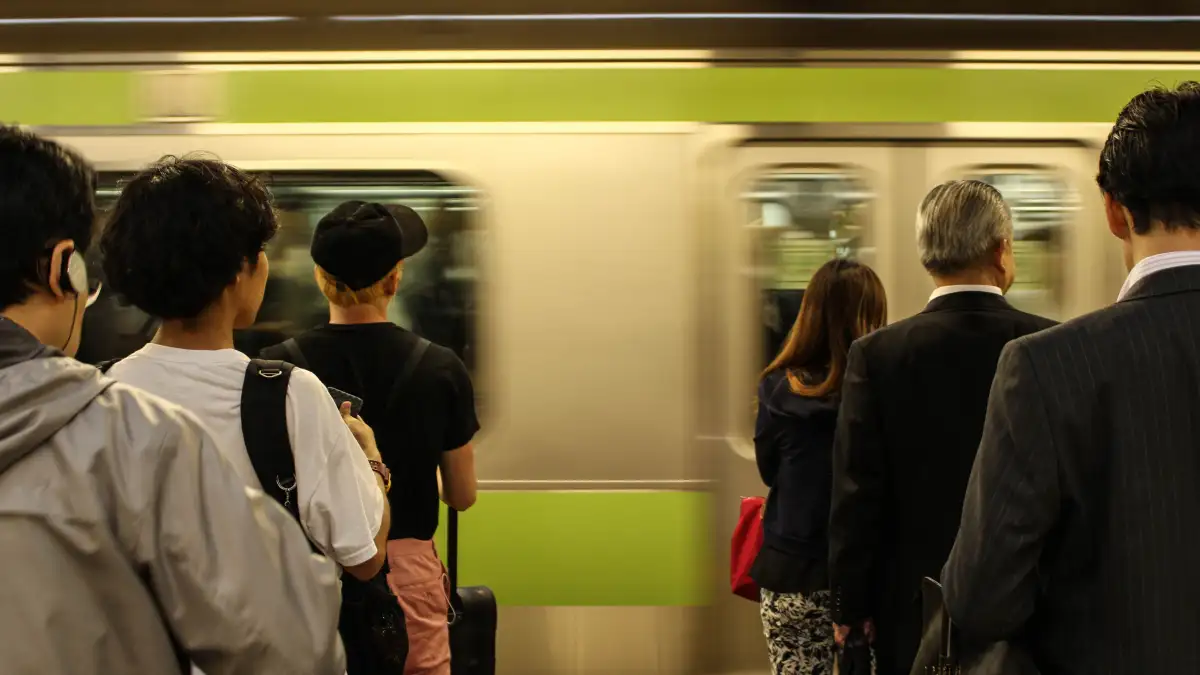
I figured this out the way most people do, which is by buying one for no particular reason at all. I came out of the arrivals hall at Narita, found the first ticket machine with an English button on it, and bought whatever it sold. That machine belonged to a private railway, so the card that dropped into my hand was Pasmo. For the next nine days it was completely unremarkable. I tapped it at the JR East gates in Shinjuku. I tapped it on the Tokyo Metro in Ginza, on a Toei bus grinding up toward Yanaka, at the register of a Lawson at eleven at night. Not once did a gate refuse it. Not once did the fare come out different from the number printed on the poster above the machine.
By about day three I had stopped thinking of it as Suica or Pasmo and started thinking of it as the thing in my back pocket.
The brand is on the plastic, not in the reader
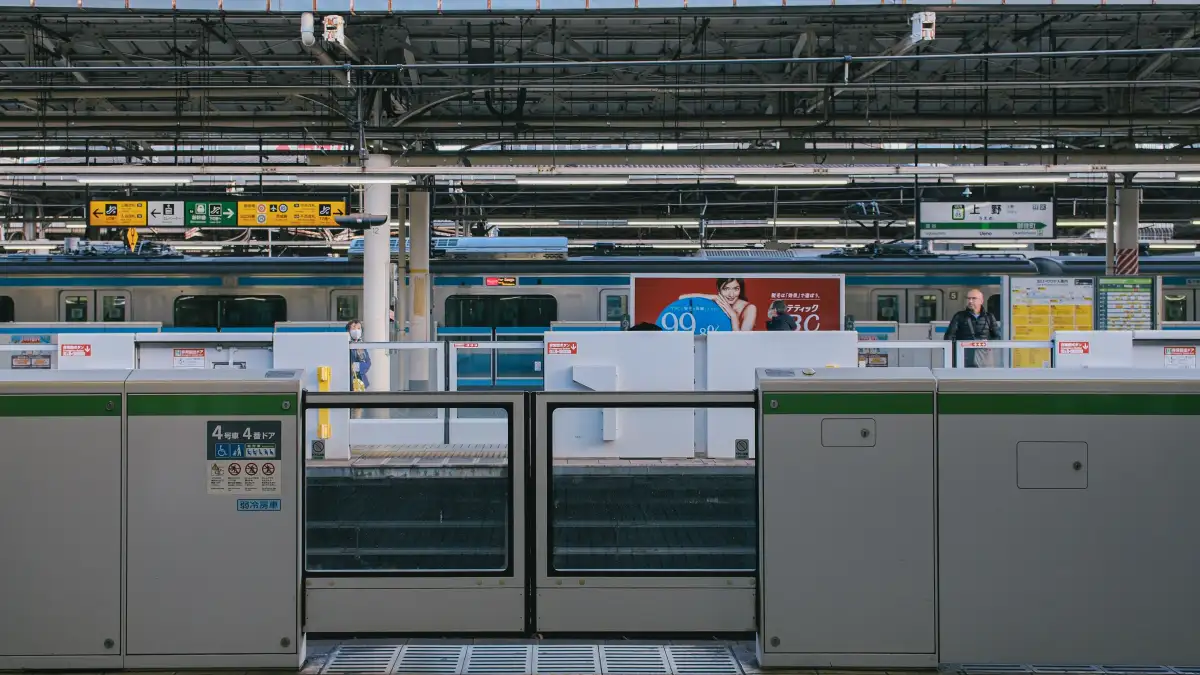
Stand at any gate in Tokyo and look at the panel where you tap. There is one reader and no menu. The gate is not asking which company issued your card. It is asking whether the card is valid on the national IC mutual-use network, and both Suica and Pasmo are.
That same network is why an ICOCA bought in Osaka taps through a Tokyo Metro gate without complaint, and why a card bought at a Tokyo machine works in Kyoto, Sapporo, and Fukuoka. The system was designed so a rider never has to know who owns the tracks under their feet. The fare deducted is the same regardless of whose plastic is in your hand. The top-up machine does not care either — the same slot, the same cash tray, the same result. And at a convenience store counter, the clerk holds your card against a reader that has seen thousands of them and does not look at the color.
I have topped up at station machines, at a NewDays kiosk, and once at a Family Mart counter at midnight when I was short and the train was the last one. Nobody asked me what kind of card it was. It never came up.
The point where the difference stops existing
It is the moment the gate opens.
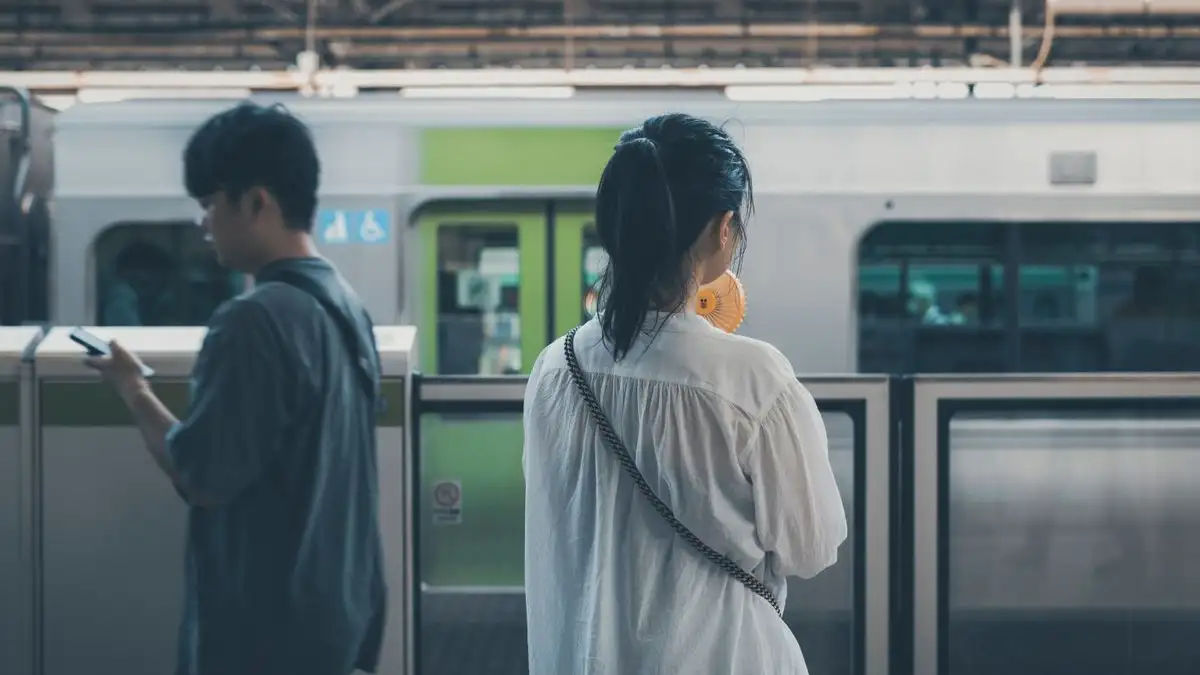
Before that moment, the choice is real and physical. It happens at a machine, in a station, under a specific company's signage. After that moment, the card becomes anonymous. You are through, you are on the platform, and the only remaining question for the rest of the trip is whether the balance is high enough.
Everything from that point forward — the transfer at Shinjuku, the bus out to a temple, the register at a kissaten, the locker at Tokyo Station — is brand-neutral. This is the part that gets lost when people compare the two cards like phones or credit cards. There is no meaningful comparison inside the gates, because inside the gates the card has no identity. The comparison only exists at the two counters where you and the card actually meet a human being: the one where you buy it and the one where you hand it back.
Notice that the buying counter takes thirty seconds. The returning counter can eat half an hour of your departure morning.
Where you buy is where you give it back
Refunds do not happen at the machines. They happen at a staffed window belonging to the issuing operator — the JR East ticket offices and travel service centers for Suica, the private railway and subway station offices for Pasmo. The format is roughly the same in both cases: the deposit comes back minus a handling fee, and whatever stored balance is left on the card comes back with it. The exact handling differs and the numbers move over time, so check the operator's own page rather than a blog post.
The structural problem is the mismatch. If you bought a Pasmo at a Keisei machine at Narita because that was the machine in front of you, and on your last morning you are in a JR East station on the other side of town, you are holding a card that the office in front of you will not refund. You are not stranded — the card still works, the balance is still spendable — but the cash is in a place you are not.
One more thing worth knowing: staffed JR East windows have been getting thinner over the years as offices close and machines take over the easy transactions. That does not break anything, but it means the refund desk is not always where you remember seeing it. On my last trip I walked past two stations before I found a window that was actually open.
The last-morning rule
If you are going to hand the card back, decide by asking one question the night before you fly: where will I physically be at seven in the morning on departure day?
Buy the card whose operator has a staffed window at that place. If you are leaving from Narita or Haneda, that often resolves the whole thing on its own, because the airports have both operators present and both have service counters — but the counters keep different hours, and one of them may be the one that is open when you are standing there with a suitcase.
If you are not going to hand it back, the question disappears entirely. Keep the card. The balance carries over, the card stays valid for a long stretch of years, and next trip you land already loaded. I have a drawer with a couple of these in it, and honestly that is the outcome I would recommend to most people — which is another way of saying the Suica-or-Pasmo decision is often a decision not to make.
Regional cards work everywhere and refund at home
An ICOCA from Kansai, a manaca from Nagoya, a Kitaca from Hokkaido — all of these tap through Tokyo gates through mutual use. None of that changes the fare. What changes is the refund. A card issued outside the Tokyo region generally has to go back to its home region to be cashed out. If you are flying home from Tokyo and carrying an ICOCA you meant to return, you are carrying a souvenir with a balance on it. That is a real cost, and it is hiding in a card that otherwise behaves exactly like the local one.
What changes when the card is on your phone
Mobile Suica and Mobile Pasmo exist, and for a visitor from the United States the experience is uneven. On an iPhone, adding one to Apple Wallet generally works from abroad, and the phone becomes the card — one fewer piece of plastic to lose. On Android, the situation is narrower: the mobile IC card function depends on a particular NFC chip that many phones sold in the US do not carry, so it is worth testing before you rely on it. Do not assume your phone will work just because the person next to you is using theirs.
The other detail is capacity. A phone will typically hold only one IC card of a given brand at a time, so adding a second Suica means removing the first. Mixing brands is where that gets awkward, because a phone that is already holding one card may refuse the addition of another that overlaps with it.
And if you go mobile, the refund logic inverts. There is no plastic to hand over at a window, no deposit to collect, and the process for getting a leftover balance back runs through an app rather than a counter — which is not something to leave for the taxi ride to the airport. That is the strongest argument I know for treating a phone card as money you have already spent.
There is one genuine case where the brand matters for a reason that has nothing to do with gates: if you plan to ride the Shinkansen and buy the e-ticket through JR East's own system, the ticket can be bound to a Suica in that same ecosystem, which means tapping straight through the transfer gates without a paper ticket. If you are doing that, the brand matters. If you are not, it does not.
What you are actually choosing
You are choosing which counter you will stand at on the way in, and which counter you might stand at on the way out. Everything between those two moments — every gate, every top-up, every bus, every register — is the same experience with a different color of plastic. The card does not know what it is. Only the counter does.