Why That Halal Logo in Japan Might Not Mean What You Think
Japan has no single halal standard. Learn how to read the certification logo, find the issuing body, and verify the claim before you buy or order.
Food category explainers for Tokyo dining without rankings or time-sensitive prices.
Japan has no single halal standard. Learn how to read the certification logo, find the issuing body, and verify the claim before you buy or order.
Ticket machines, conveyor-belt sushi, and izakaya each set up the first minute after you sit down, and why none of them needs a booking at all.
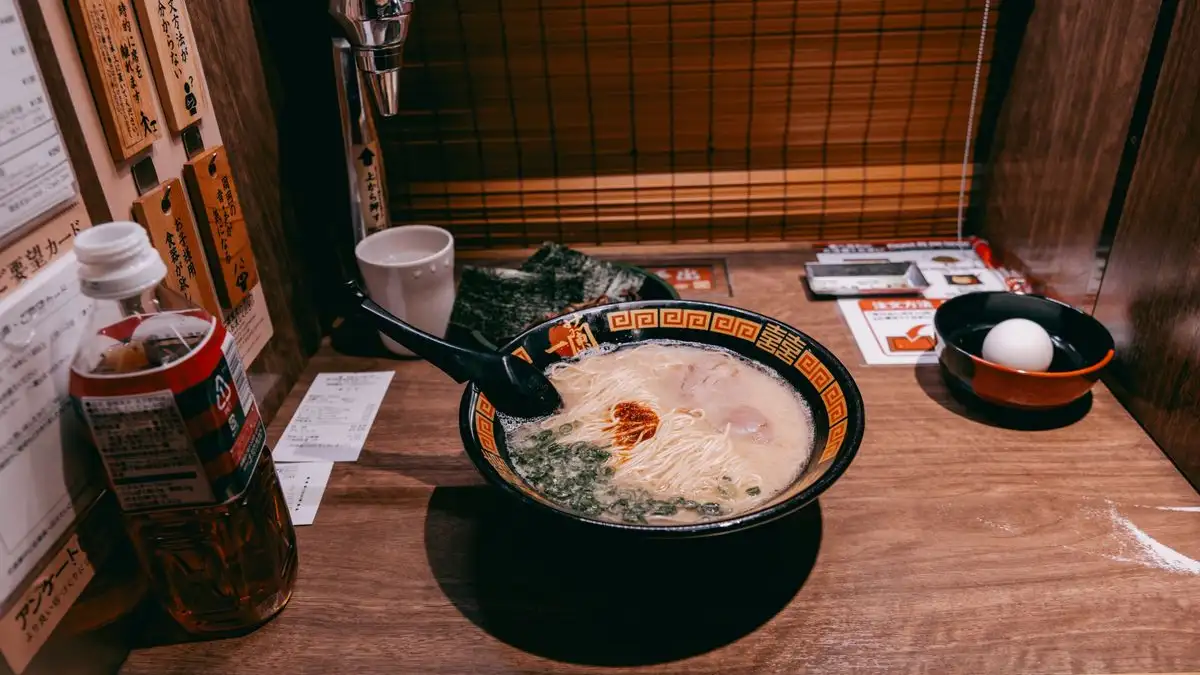
How Tokyo ramen handles pork broths, wheat noodles, and fish-based dashi, plus the exact questions to ask at the counter before you buy a ticket.
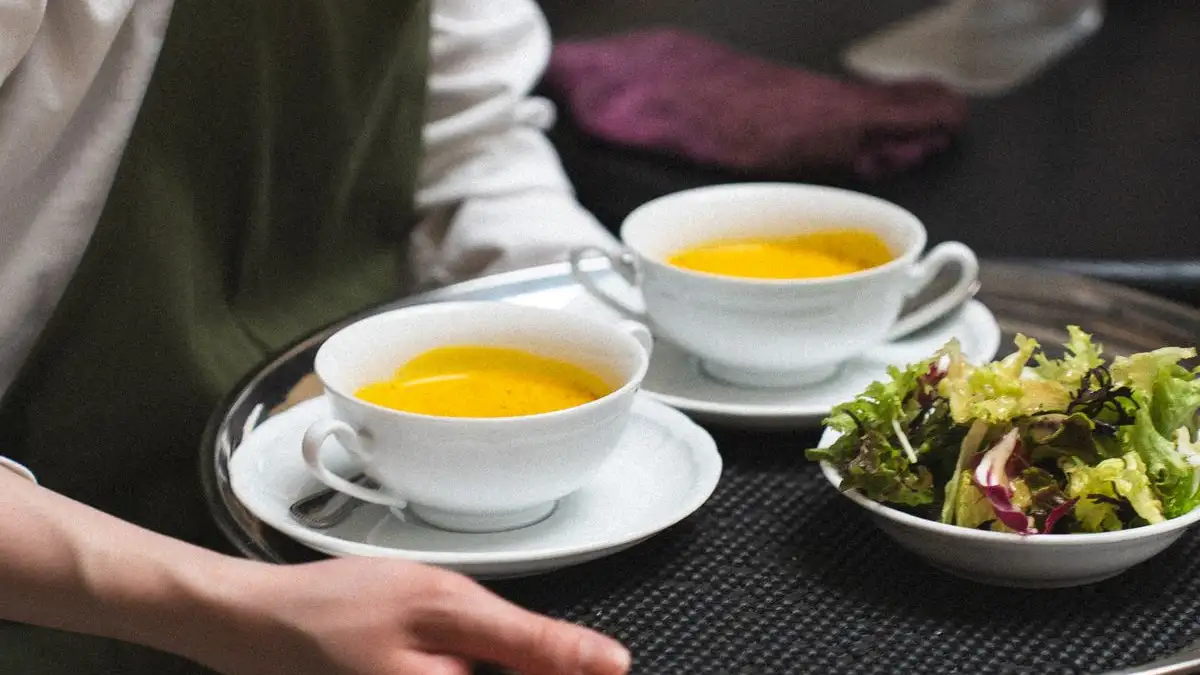
Japanese hotel meal plans are fixed, and booking notes rarely reach the kitchen. Direct email and phone contact is what changes what arrives on the tray.
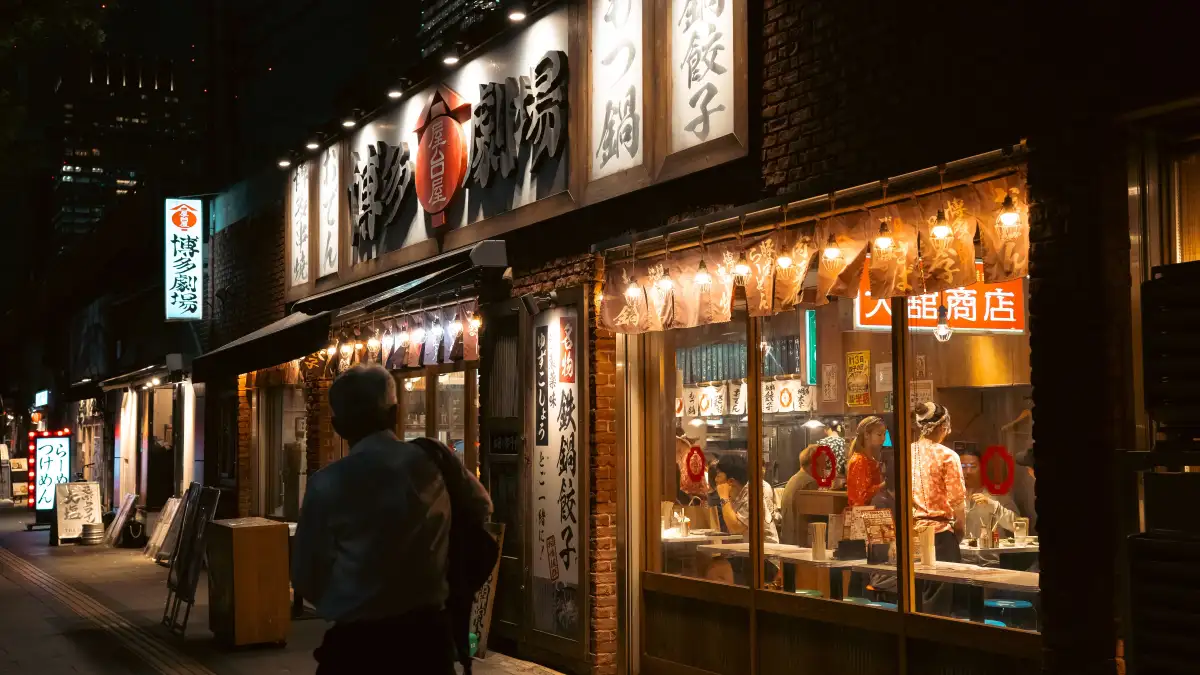
A Japanese restaurant bill has no tip line because the total is already the full amount owed. Here's where the service cost sits on the slip.
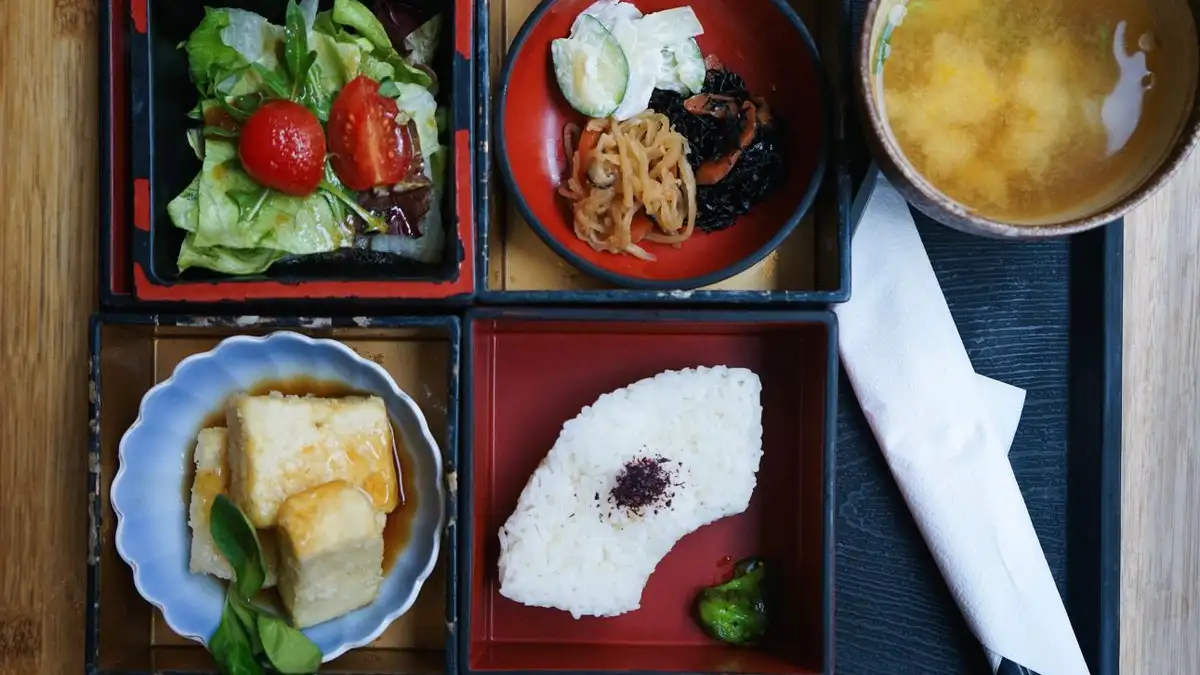
Read Japanese konbini ingredient panels for hidden dashi, pork and chicken extract, and wheat — why halal, vegetarian, and gluten-free eating differ.
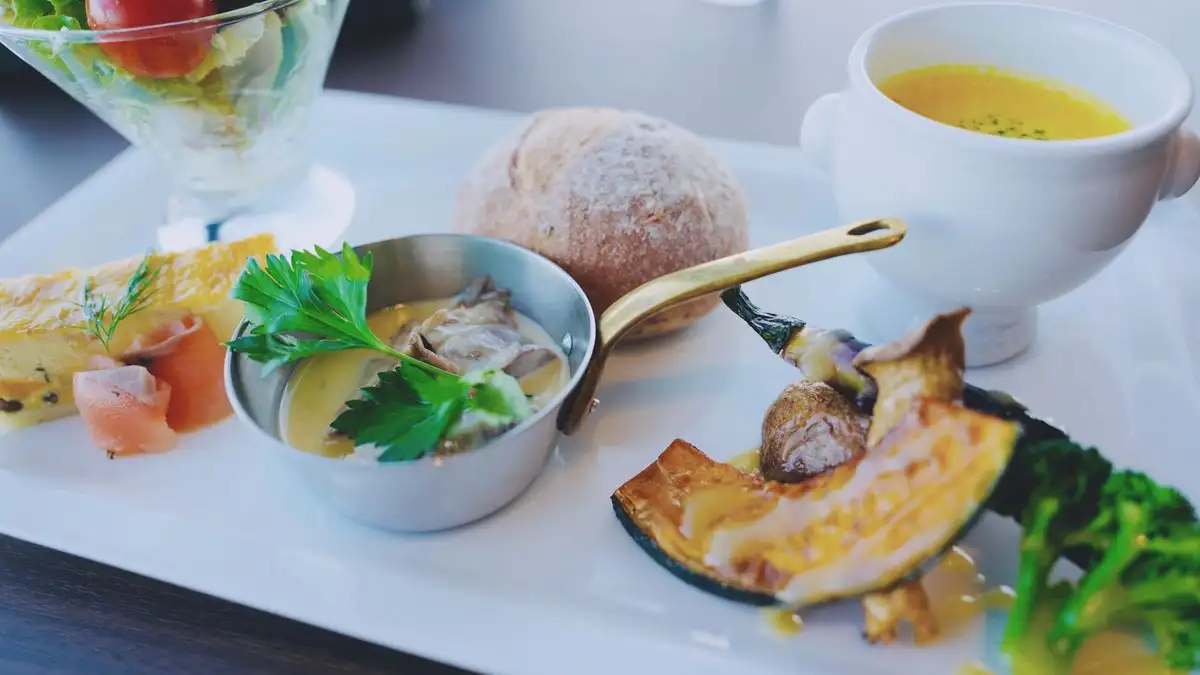
Gluten-free Tokyo works as a system, not a restaurant hunt: where wheat hides in Japanese kitchens and how to build a day around rice-centered meals.

How ticket machines, set meals, portion conventions, table versus register payment, and konbini or depachika backups let picky kids eat well in Tokyo.
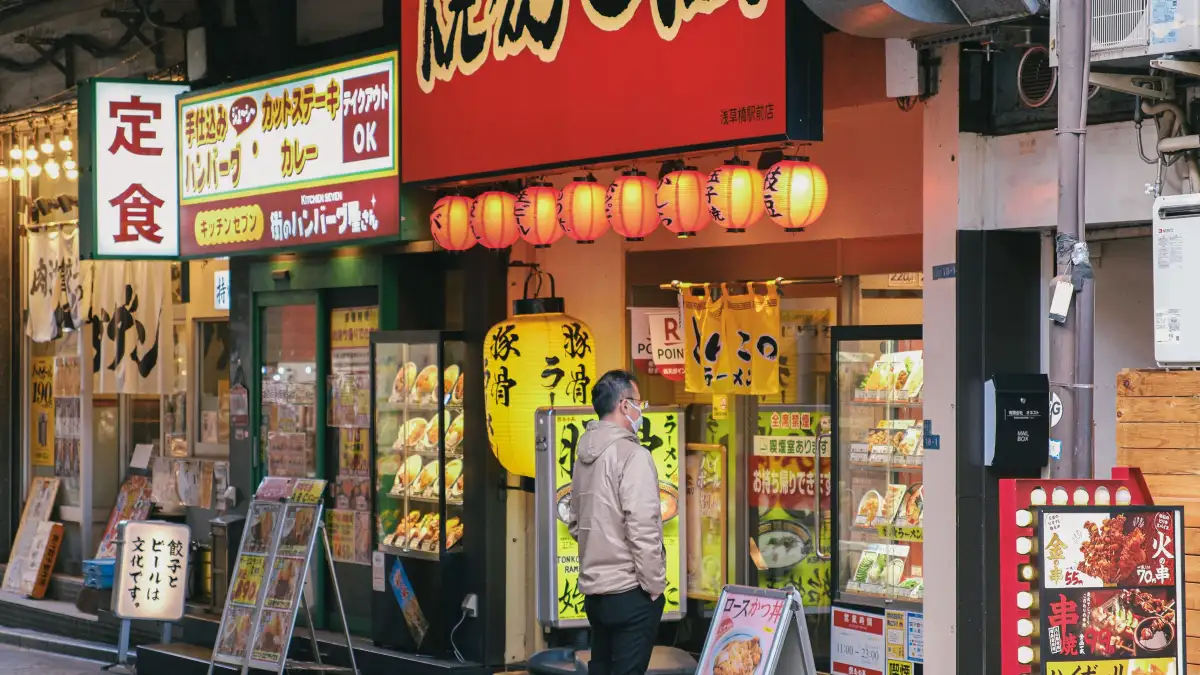
Gluten-free, gluten-friendly, and wheat-free get used three different ways on Tokyo menus. Here is how to vet a kitchen by its practice, not its label.
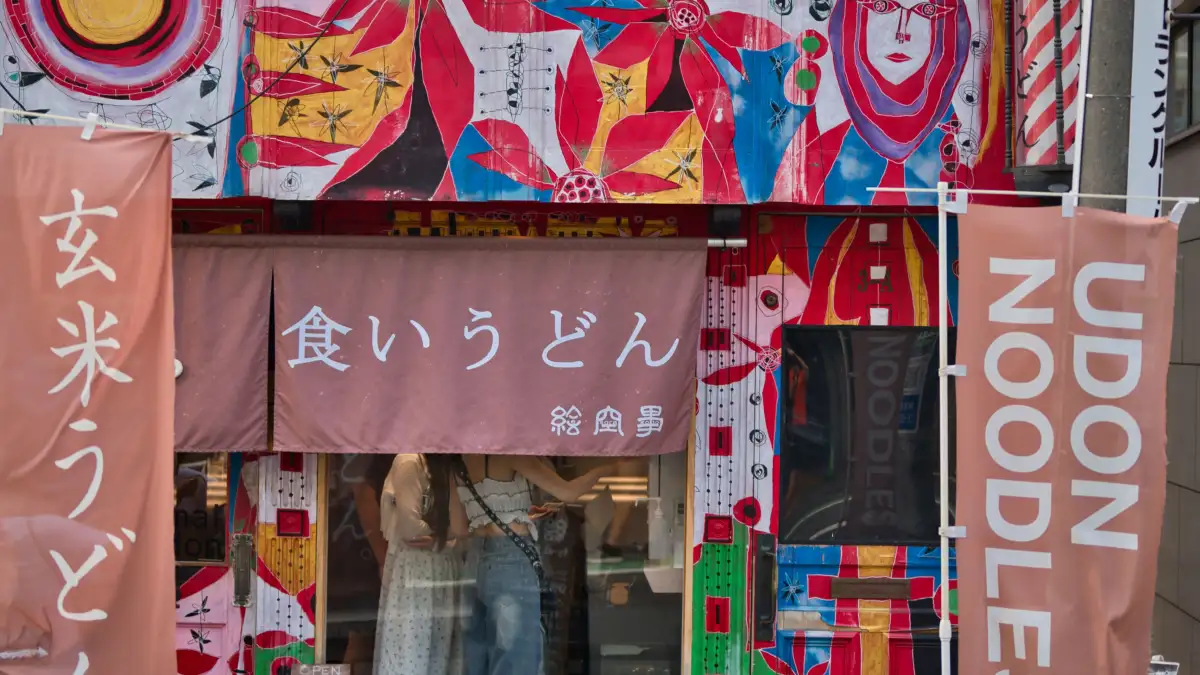
The card, the Japanese term, the walk back to the kitchen, and why counter seats change the odds: how a gluten-free request actually moves through a Tokyo restaurant.