Direct email or phone contact with the property — weeks before arrival, answered by someone who can walk into the kitchen — is what changes a dietary meal plan at a Japanese hotel. The special-requests box in a booking engine almost never does. That box feeds a reservations queue, gets compressed into a short flag, and reaches the kitchen, if it reaches anyone at all, as "no meat" or "gluten allergy," which is not enough to cook from when the course structure was locked days earlier. The hotel has to be contacted directly, asked questions only the kitchen can answer, and the reply kept in writing while the reservation is still changeable.
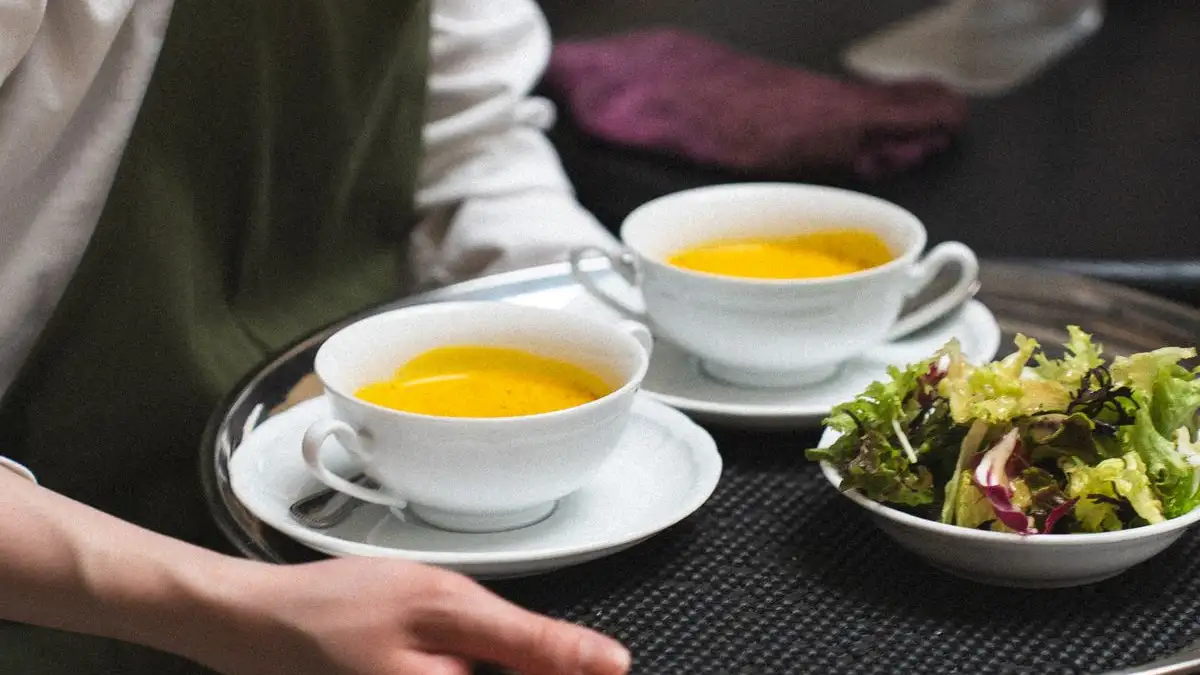
I learned the difference over a clear soup.
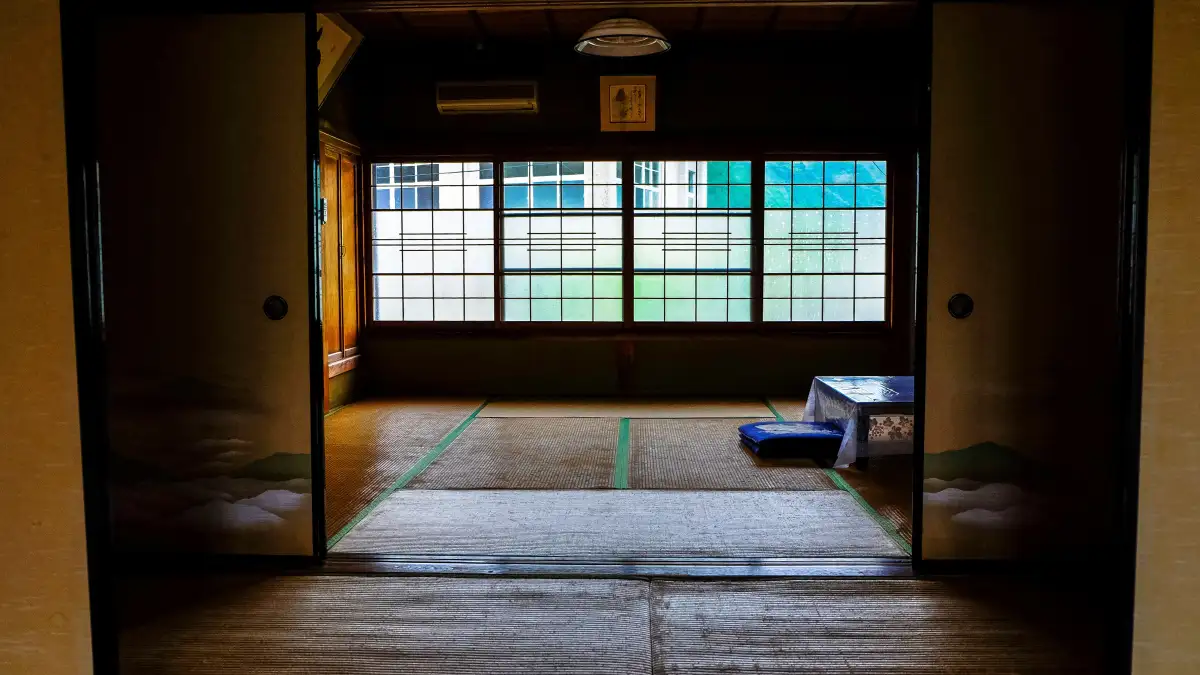
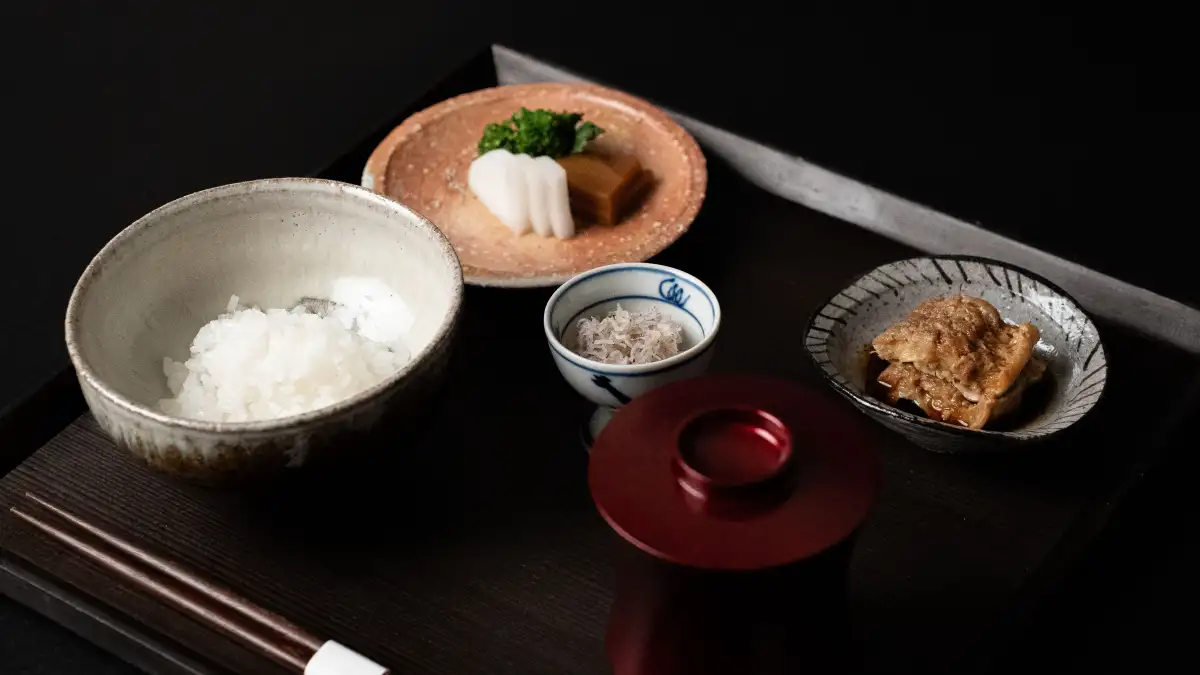
Three nights at a ryokan, dinner and breakfast included, booked four months out. I typed "vegetarian, no meat, no fish" into the notes field, felt responsible, and closed the tab. On the first evening the tray came out and the second small bowl was a clear soup — kombu and bonito, almost certainly, though nobody had told me that yet. I asked the server what was in it. She didn't know. She took the bowl away, came back a few minutes later with the word "fish," and stood there while I decided what to do about it. The simmered dish had it too. So did the pickles. One note in a form field had produced a meal that everyone involved believed was vegetarian and wasn't.
Where the note actually goes
Booking notes travel through the channel that sold the room, not through the channel that cooks the food. At a large Western-style hotel, the reservation lands in a central system, the note becomes a field, and the field has to survive a handoff to the food and beverage side before anyone in a kitchen sees it. At a small ryokan, the person reading email at 9 a.m. might be the owner, who might be the person doing the ordering — or might be nobody's decision-maker at all. Both cases have the same failure mode: the note stops one desk short of the only person whose answer matters.
So the first question I write is deliberately one that can't be answered from a desk. Not "can you accommodate a vegetarian?" — that gets a polite yes from anyone. Instead: "For the clear soup course, is the stock made with katsuobushi, or is it kombu only?" That question has to be carried into the kitchen. If the reply comes back with a real answer, I know the message arrived. If it comes back vague, I've learned something too.
Vegetarian is a word that doesn't fully travel
In Japan, "no meat" is often read as no pork, no beef, no chicken. Bonito is a fish that has been dried into something that looks like a wood shaving, and it's the default base of a great many soups, simmered dishes, and dipping sauces. Fish sauce and shrimp turn up in places a Western vegetarian would never look. So the email needs to name the specific things rather than the category — dashi, katsuobushi, niboshi, fish sauce — and it needs to ask about each one, because the answer can differ from dish to dish inside the same meal.
There's a second version of this problem, which is that "vegetarian" sometimes gets translated into "no meat, but chicken stock is fine." If that isn't your definition, say so up front. Otherwise you and the kitchen are using the same word for two different things, and both of you will be satisfied right up until the tray arrives.
Gluten-free: the questions are soy sauce, barley, and shared oil
Soy sauce is the first thing I ask about, because most Japanese soy sauce is brewed with wheat, and it's in nearly everything — the dipping sauce, the simmered dish, the glaze. Tamari-style soy sauce without wheat exists, but a hotel kitchen may not stock it, and asking whether they can get it is a fair question to put in the first email rather than the last.
Barley is the second. Mugi miso is made with it, and miso appears in soups and marinades that nobody thinks of as a grain product.
Shared oil is the third, and it's the one that usually ends the conversation. Tempura, karaage, and tonkatsu frequently share a fryer, and the flour hanging in the air in that part of the kitchen doesn't respect a separate batch. A hotel that says it can't guarantee separation is giving an honest answer. I'd rather have that answer in writing six weeks out than a hopeful one at the table.
Halal: separation is the actual question
Some hotels in Japan run halal meal plans; most don't. Where they exist, they tend to cluster around airports and in cities with a lot of Muslim visitors. What matters in the email isn't whether the word "halal" appears on a plan description — it's whether the kitchen separates ingredients, cutting boards, utensils, and oil, and how they handle mirin and other cooking liquids that contain alcohol. Whether a given level of separation is acceptable is a question for the traveler and, where relevant, their own religious authority — not something a hotel or a website can settle for them.
A decline is useful information
The most valuable reply I've ever gotten was a short one: the hotel had reviewed the request with the chef and could not prepare a safe meal for it. That's a kitchen refusing to gamble. Some hotels will do that rather than risk cross-contact, and the refusal tends to arrive faster and more clearly than a hedged yes. I treat it as a working answer, not a rejection — it tells me to change the plan while there's still time to change it, which brings up the thing people forget.
Check the cancellation window before you celebrate the yes
The email and the booking have to run in the same direction. If a hotel answers "no" three days before arrival, you're committed. If it answers "no" six weeks before arrival, you can move to a different property or switch to a plan that doesn't include dinner. So I send the dietary email as soon as the reservation exists, and I check the free-cancellation date on the booking at the same time. The two deadlines belong together.
Kaiseki: courses can move, the frame usually can't
A traditional multi-course dinner is assembled as a structure — a fixed number of courses in a fixed order, with the kitchen ordering and prepping to that structure. A chef can often substitute within a course: swap the sashimi plate for a grilled vegetable dish, change a simmered item, leave something off. What a kitchen generally can't do is rebuild the whole meal into a different shape. If the request is "can this course change," you'll often get a yes. If the request is "can the entire dinner be something else," you'll often get a no — and it's better to hear that before you've paid for it.
When the meal plan is the wrong tool
For a serious allergy, the calculus can flip. A room-only booking, no dinner included, means every meal is eaten somewhere I can speak to a person face to face, look at what's on the counter, and walk away if the answer is wrong. The trade-off is real: I lose the ease of walking downstairs in a yukata, and at a ryokan up in the mountains there may be nowhere else to eat within a reasonable distance. That's exactly why the contact has to happen before the reservation is locked, not after. Which plan I choose is a decision I make with my own doctor and my own risk tolerance; the hotel's answer is one input, not the safety net.
The email I actually send
Short, specific, in plain English, with the key ingredient names also written in Japanese so it can be forwarded internally without waiting on a translator.
- Reservation name, arrival date, number of nights, and which meals are included
- The exact categories to avoid, named as ingredients rather than as a diet label
- One or two questions only the kitchen can answer — the stock, the fryer, the soy sauce
- A direct request: "Please confirm in writing, or tell me if this is not possible."
- A note that I will bring a printed card in Japanese to the dining room
Then I wait. If nothing comes back in about a week, I send one follow-up, and I keep it short. Two emails is persistence; five is noise that gets filtered.
A few days before arrival, I forward the reply to the hotel and ask them to attach it to the reservation. On the night, I hand the printed card to the server before the first course, and if the front desk is the one who greets me, I ask to speak with whoever handles the dining room. Staff rotate. The email in my phone is the record; the person standing in front of me at 6 p.m. may never have seen it.
None of this guarantees anything. Kitchens change suppliers, a substitute ingredient shows up, a new cook doesn't read the sheet. What direct contact buys is that the question was asked in a form the kitchen could act on — and that when the tray comes out, the two of you are working from the same set of facts.